Keeping a tarot journal
2 October 2026 · 5 min read · by Unfold editorial
Most tarot readings are forgotten by the next morning, and that is the main reason they feel like entertainment rather than help. The reading said something; life happened; nobody compared the two. A journal is simply the habit of comparing them, and it is the single thing that turns an occasional reading into something that teaches you about yourself.
You do not need a special notebook, a ritual, or more than a few lines. This is what to write, how little is enough, and why the entry you write a week later matters more than the one you write on the day.
What to write on the day
- The date and the question, in your own words. If you asked for general guidance, write what was on your mind anyway.
- The cards, with positions and whether each was reversed. Three lines.
- One sentence of what the reading said, in your words, not the reader's.
- The one thing to watch for. Every Unfold reading ends with one; if you read at home, make one up: a sign in everyday life that would tell you the reading was onto something.
- How it landed. Resonated, half, not at all. Be honest; the "not at all" entries are the useful ones later.
That is five lines and takes three minutes. The mistake people make is writing a page on the day and nothing afterwards.
What to write a week later
This is the entry that matters. Go back to the question and write what actually happened: two or three sentences. Then answer the one question that makes a journal worth keeping: did the sign show up? Yes, not yet, or something else happened. Then, if you have a minute, how the reading reads now that you know what came after.
Readings look different in hindsight, and that difference is where the learning is. The card you dismissed on the day is often the one that turns out to have been right. The card you loved is often the one you wanted to be right. Noticing that pattern in yourself, over a dozen entries, is worth more than any single reading.
On Unfold the check-in does this for you: a week after a reading, one email asks how it went, shows you the sign you were told to watch for, and asks whether you noticed it. Your answer is kept with the reading, and the "looking back" reading reads your cards again against what you wrote.
Try it on a real draw
A free three-card reading, written for your question, with a check-in a week later.
Ask the cardsWhat a journal shows you after a few months
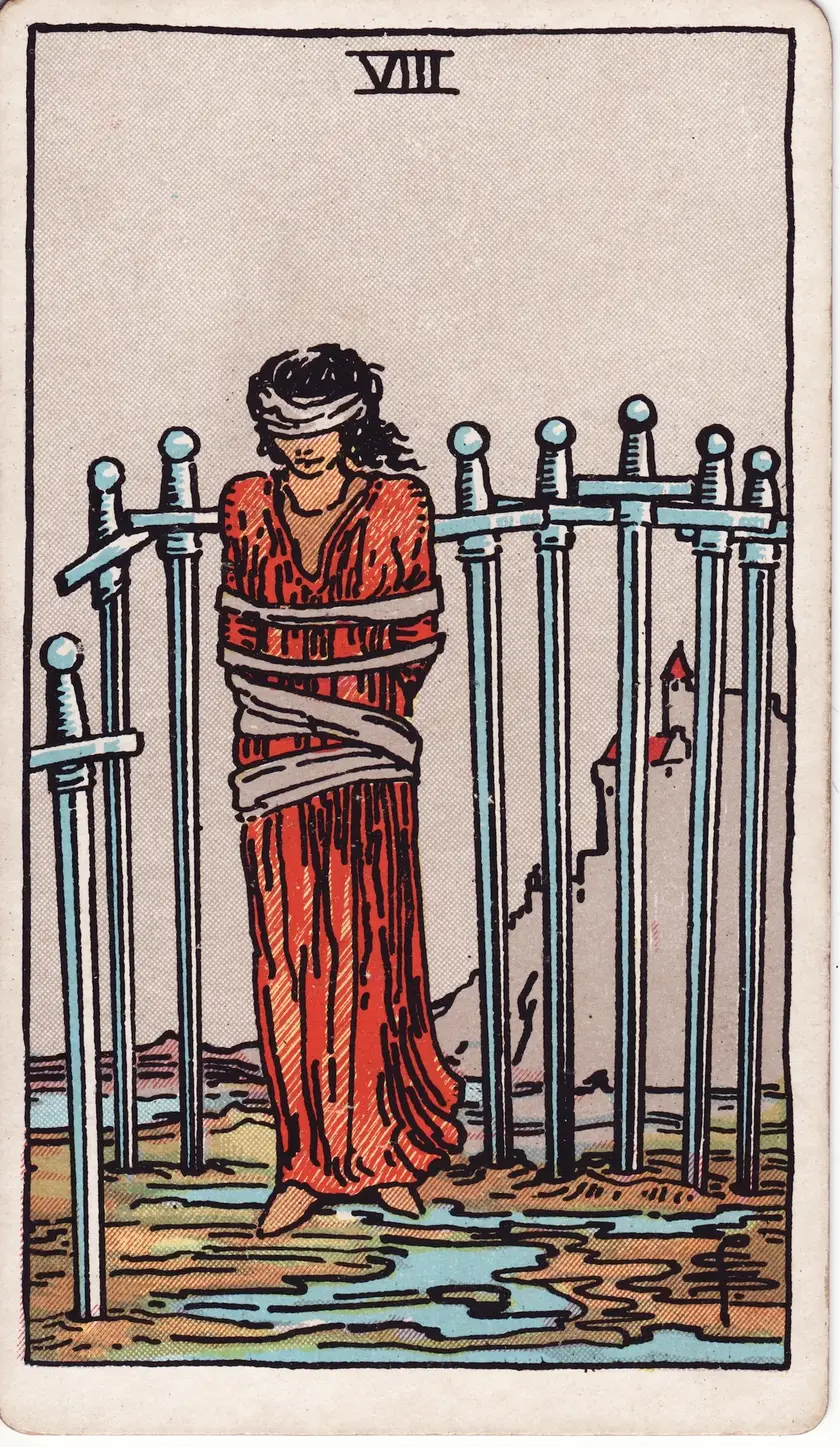
Cards that keep coming back. Everyone has two or three, and they are rarely the ones you would have guessed. The Eight of Swords three times in a season is a sentence about you, not about three situations.
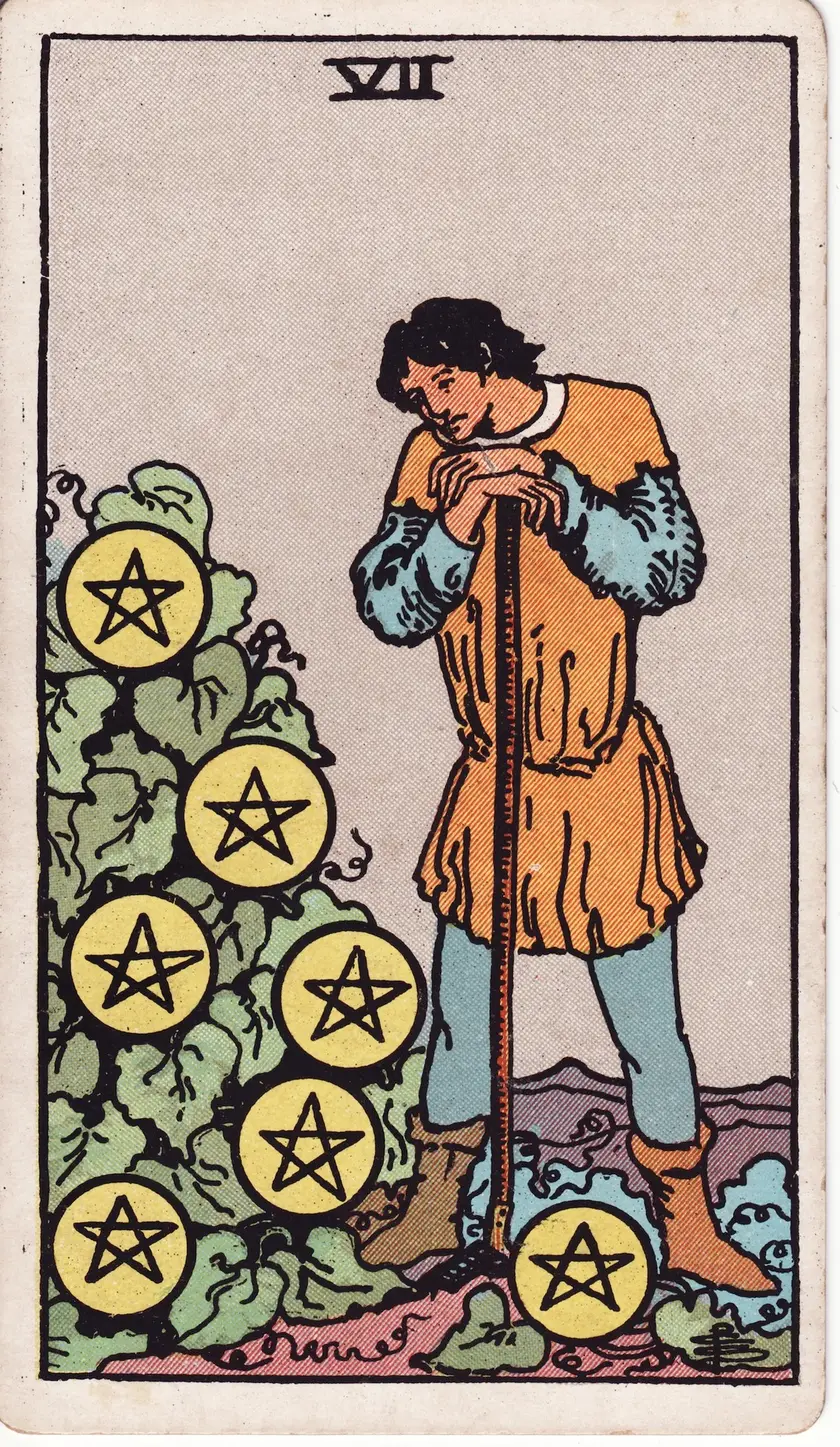
Which suit leads your readings. If it is Cups whatever you ask about, your questions are emotional at the root. If it is Pentacles, you are living your life as logistics, and the cards keep saying so.
How often the sign showed up. Over twenty readings, your own share of "yes" is a number no one else can give you. It tells you how much weight to put on the next reading.
What you said happened. Read in a row, the "what happened" entries are a diary of a year with the noise taken out. Many people find this the most valuable thing a tarot habit produces, and it has nothing to do with the cards.
Signed in on Unfold, the story page does this counting: cards that recur, the suit that leads, the share of readings that rang true, and what you said happened, in order.
Keeping it going
Keep the daily entry to five lines and the weekly one to three. Do not journal every reading if that means you stop; journal the ones with a real question. Read back through the journal at each new moon, which is a natural month-mark and the reason the New Moon Reading exists.
If you want a paper copy, every reading on Unfold has a journal page you can print, and the whole journal exports as one printable document. The point of all of it is the same: a reading you came back to is worth ten you did not.
A sample entry, both halves
On the day: asked how to handle the restructure at work. Five of Pentacles, Queen of Swords, Six of Wands. Reading said: I am looking in from the cold, the posture is plain-spoken and factual, and that leads to being seen. Watch for: catching myself deleting the honest email. Landed: somewhat.
A week later: wrote the email, did not delete it, meeting went better than I feared. Sign showed up, twice, before I sent it. Reading reads truer now; I had read "plain-spoken" as blunt and it meant clear. Next question: how do I keep that up without becoming the office truth-teller.
That is eleven lines across two dates, and it contains more than most people get from a year of readings.
Journals and memory on Unfold
Signed in, every reading is kept with what you said at the check-in, and the next reading you draw reads on from it: "Last time you asked about the restructure and said the email went better than you feared; this draw picks up there." That is the journal doing its work without you opening it. The story page lays the entries in order with the cards shown, counts what recurs, and keeps the monthly letter if you have Companion. The journal page for any reading prints clean, with no navigation, so the paper habit and the app habit can be the same one.
What not to write
Do not copy the reading out. The reader's words are the reader's; the entry is for yours, and a reading copied in full is never read again. Do not record every daily card; one line a week about the one that stuck is plenty. Do not grade yourself. A journal that becomes a list of readings you got wrong stops being opened, and the point is to keep opening it.
And do not wait for a good question to start. The first entry is always a bit awkward. The tenth is where the patterns begin, and the only way to the tenth is through the first.