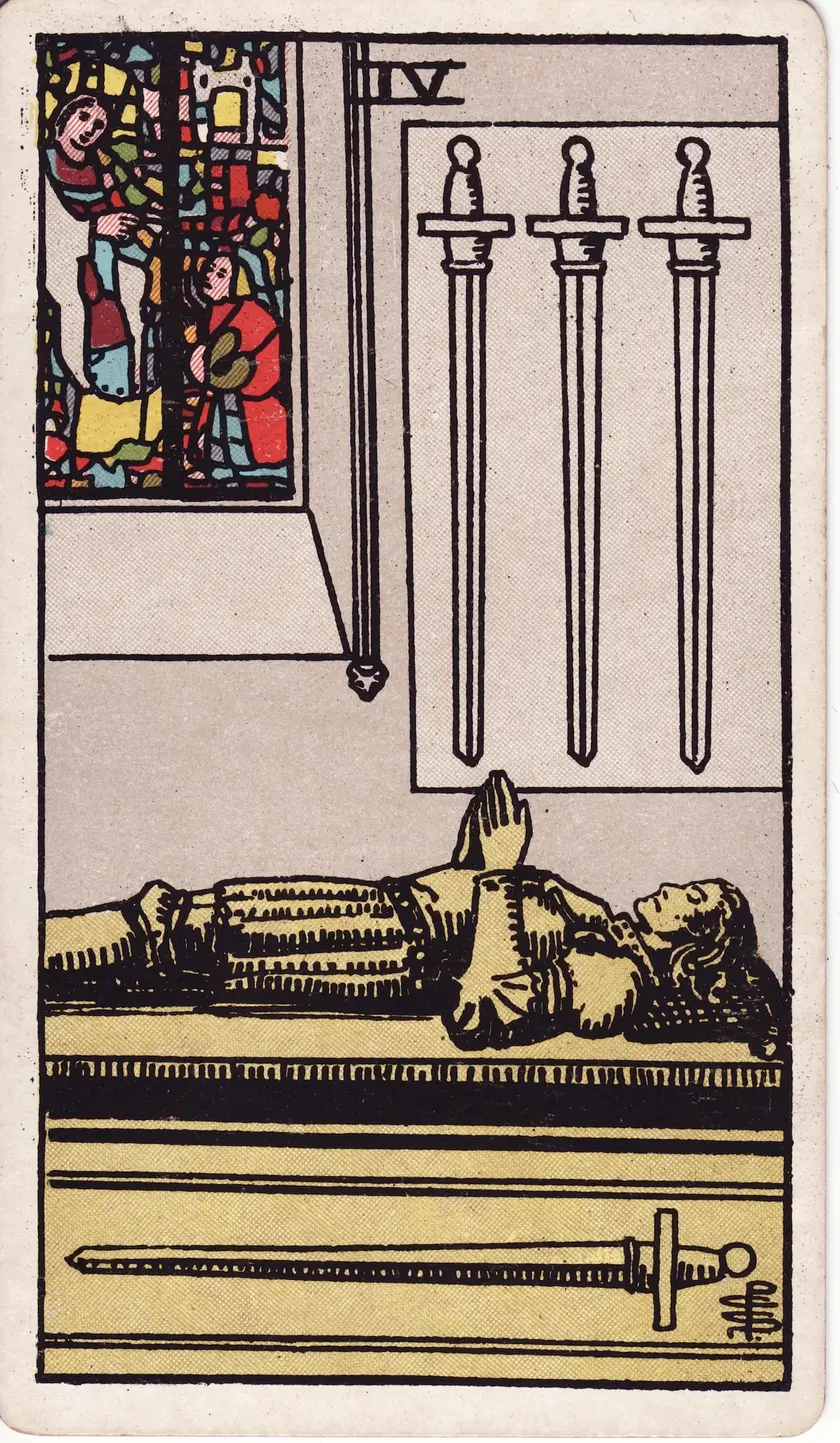
In the picture
Inside a quiet church sanctuary, a carved stone effigy of a knight lies flat on top of a tomb. His hands are pressed together in prayer. Three swords hang horizontally on the wall above him, pointing down toward his head and chest. A fourth sword is carved into the side of the tomb beneath him. In the upper left corner, a stained-glass window shows a figure offering a blessing to a kneeling supplicant. The stone is pale, and the entire room suggests stillness and sanctuary away from the world.
Four of Swords upright
The Four of Swords marks a period of necessary withdrawal. You have likely been dealing with stress, mental strain, or a difficult challenge, and your mind needs a break to mend. This card asks you to pause rather than force an outcome. It is not defeat; it is self-preservation. For example, you might choose to take time off work after completing a demanding project instead of jumping into the next task. In personal life, it can represent taking a break from social gatherings or stepping away from an argument until tempers cool. It may also look like turning off your phone for an evening to sit quietly with a book. The mind cannot stay sharp if it is always under pressure. Give yourself permission to do nothing for a little while so your clarity can return naturally.
Four of Swords reversed
A reversed card is one that landed upside down and usually means the card's quality is blocked, delayed or turned inward. With the Four of Swords reversed, rest is either neglected or overstayed. You might be pushing past exhaustion, ignoring your body's signs that you need to stop. Running on empty can lead to sudden burnout or deep mental fatigue. You might find yourself tossing and turning in bed, unable to quiet racing thoughts. On the other hand, the reversal can sometimes mean a period of seclusion has run its course. You might feel a gentle return of energy, signaling that you are ready to rejoin conversations and handle daily responsibilities again. If you have felt stuck in limbo, this could be the moment the fog begins to lift, allowing you to reenter the world at your own pace.
Is Four of Swords in your own draw?
Ask a real question, draw three cards, and read what this card means next to the others. Free, and we check back in a week later.
Ask the cards about your own situationIn love and relationships
In relationships, the Four of Swords suggests taking a step back to breathe. If you and a partner have been arguing, quiet time apart can prevent further hurt and bring perspective. For single people, this card often suggests pausing dating efforts to focus on personal healing. Reversed, it can indicate pent-up resentment from refusing to take a break, or a sign that you are ready to open up again after nursing old heartaches.
In career and work
At work, this card points to taking leave, resting after a major deadline, or stepping out of workplace friction. Pausing protects your focus and well-being. Reversed, it may show someone running on fumes, skipping breaks, and heading toward burnout. It can also point to the end of a sick leave or sabbatical, marking the moment you feel prepared to return to tasks.
Around money
With money, this card reflects putting financial decisions on ice. You may benefit from halting nonessential spending and stepping back from risky choices until you feel clear-headed. Reversed, it can reflect anxiety that keeps you awake over bills, or a period where avoidance of bank statements turns into stagnation. Pausing to look calmly at your habits can bring relief.
A reading about money looks at how you feel and what you tend to do. Decisions about money belong with a financial adviser.
When it answers your question
When this card answers a question about making a choice, it suggests waiting until your mind is calm before deciding. When it answers a question about conflict, it points to walking away from the fight to let tempers settle. When it answers a question about health habits, it highlights sleep, quiet, and gentle recuperation as your main priorities.
One thing to watch for
If you catch yourself rereading the exact same sentence four times in a row because your exhausted mind simply refuses to take it in, that may be the Four of Swords talking.
Every Unfold reading ends with a sign like this, and the check-in a week later asks whether you noticed it. How a reading is made
Is Four of Swords a yes or no card?
Upright, Four of Swords leans Maybe / not yet; reversed, No. The Four of Swords leans toward maybe because it asks you to pause rather than act. The knight lies still on his tomb, showing that now is a time to rest and gather your thoughts instead of pushing for a firm yes or no. Ask the yes or no tarot.
Four of Swords with other cards
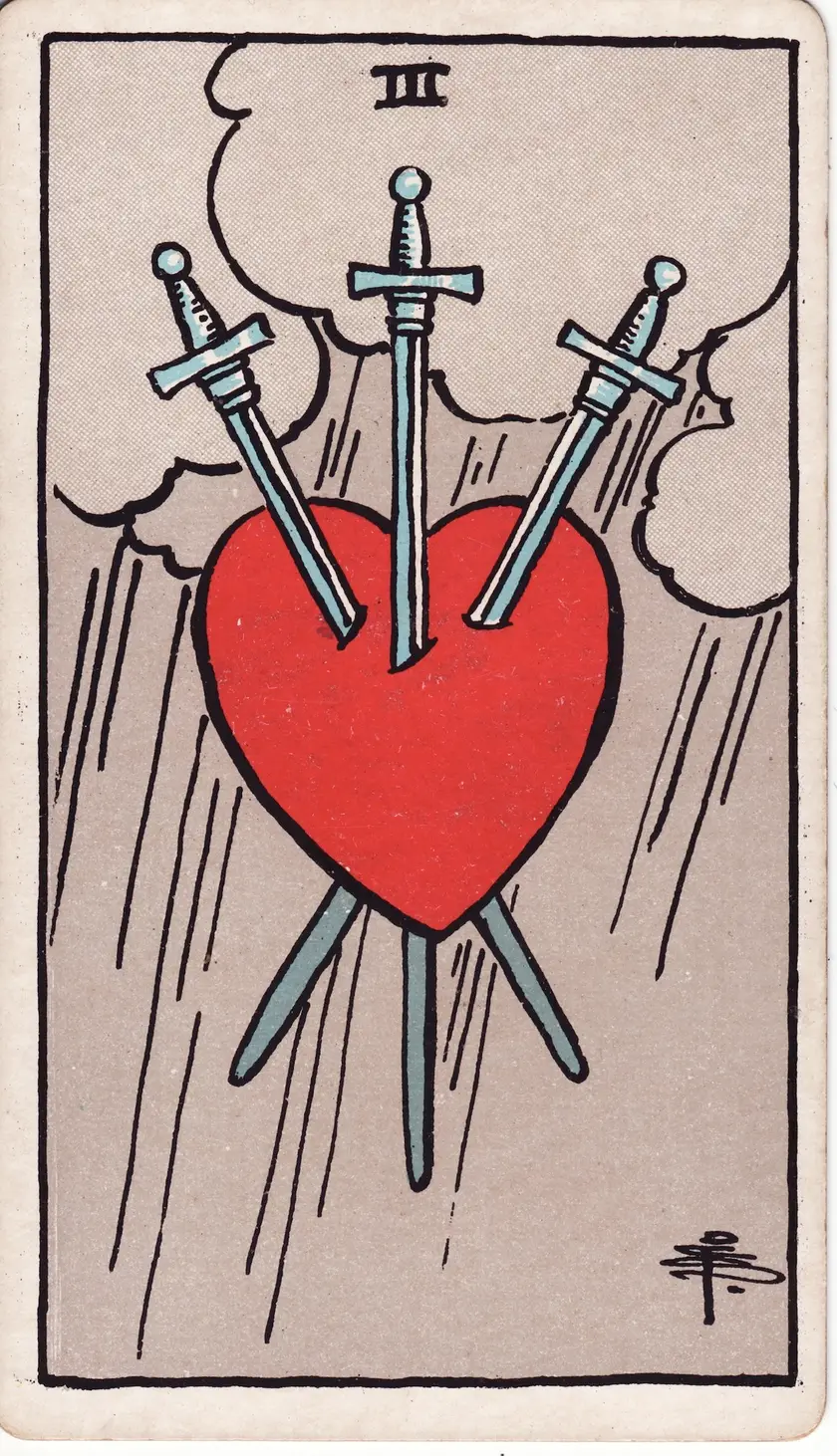 Three of SwordsTogether, these cards suggest taking time to heal quietly after emotional pain or heartbreak.Read the pair
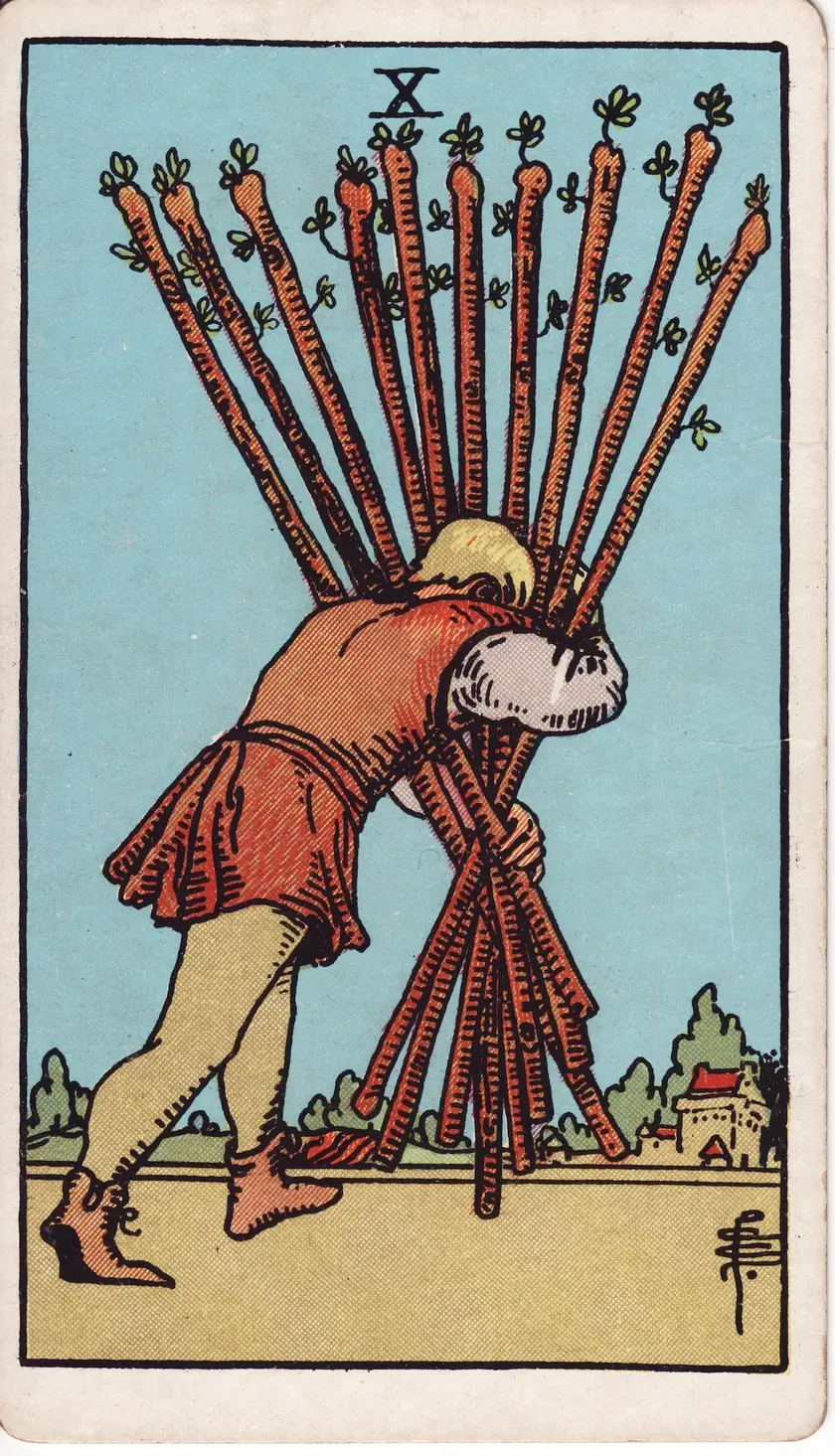 Ten of WandsThis pair points to heavy exhaustion and the urgent need to put down burdens to rest.Read the pair
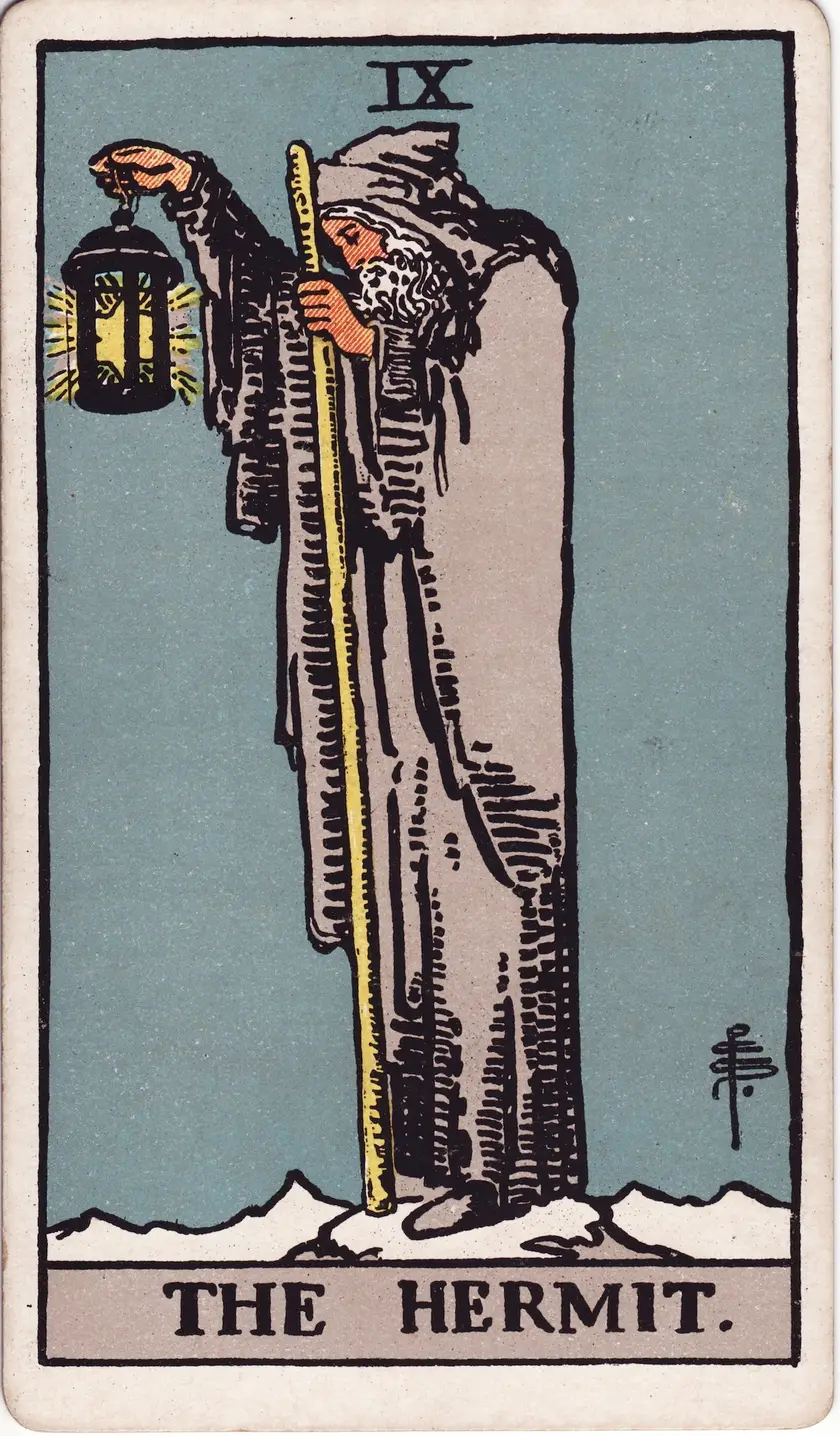 The HermitDrawn together, they emphasize a deliberate period of solitude and quiet reflection away from outside noise.Read the pair
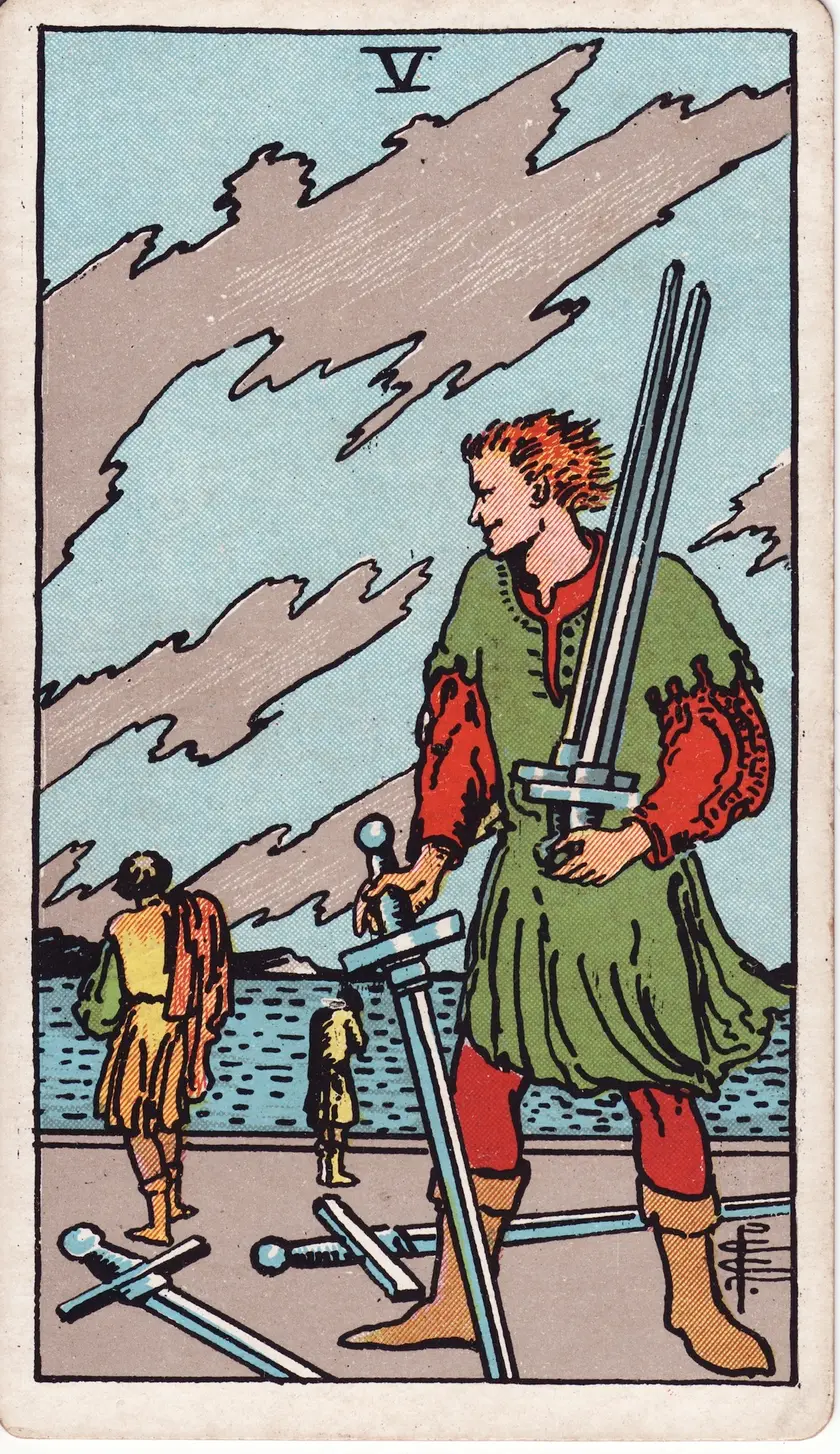 Five of Swordsconflict, winning at a cost, defeat
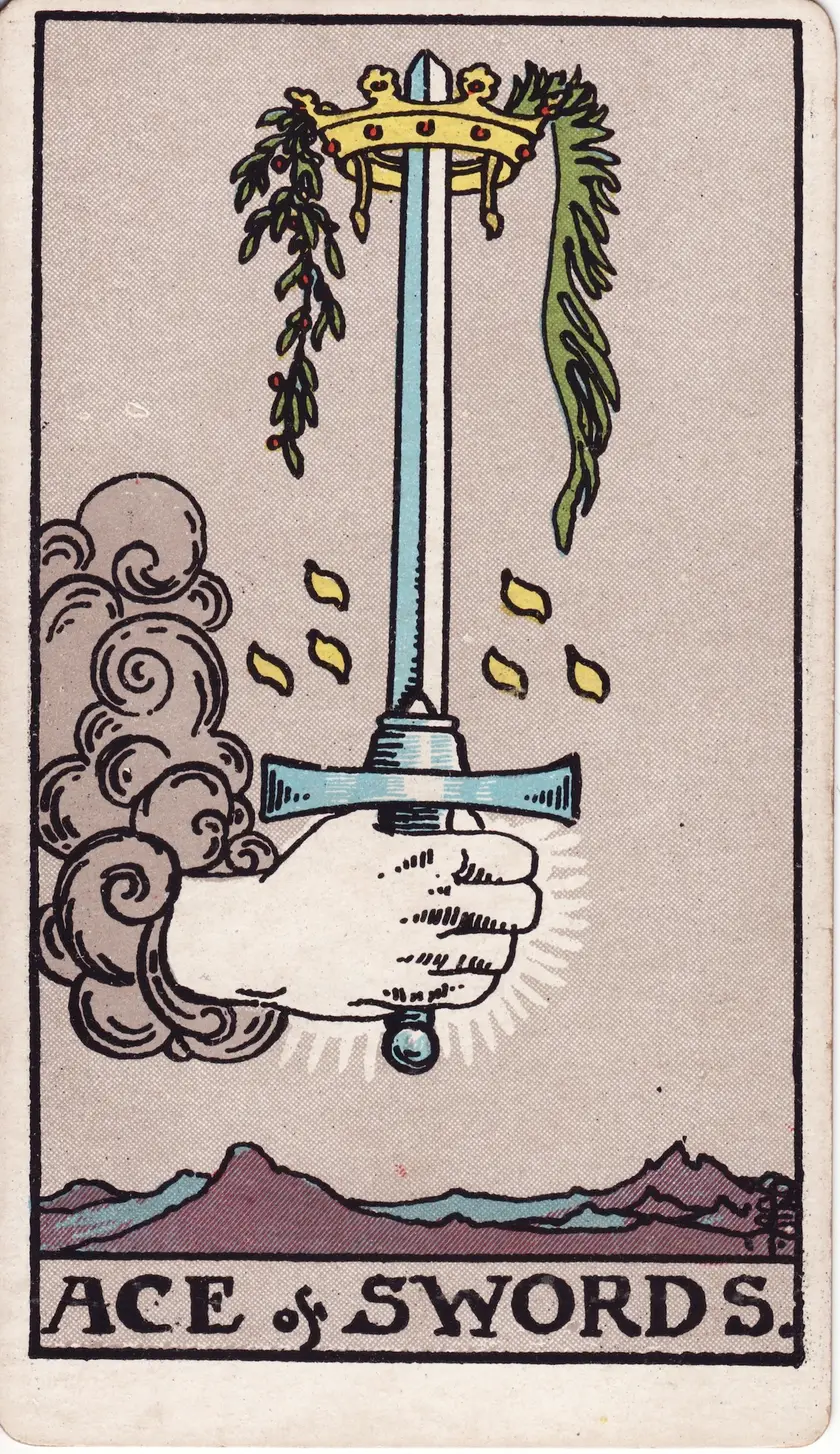 Ace of Swordsclarity, truth, breakthrough
Questions about Four of Swords
- Does the Four of Swords mean death?
- No. The stone knight on the tomb represents restful retreat and recovery from life's battles, not physical death. It points to mental quiet and self-care.
- Is the Four of Swords a passive card?
- It is still, but intentionally so. Choosing to rest, heal, and withdraw from conflict is an active decision to protect your well-being.
- What should I do when I draw this card?
- Step back from stress. Protect your sleep, schedule quiet time, and delay big decisions until your mind feels clear and rested.
Is Four of Swords in your own draw?
Ask a real question, draw three cards, and read what this card means next to the others. Free, and we check back in a week later.
Ask the cards about your own situation