Is AI tarot accurate?
2 October 2026 · 7 min read · by Unfold editorial
We build an AI tarot reader, so you should read this with that in mind. But the honest answer to "is AI tarot accurate?" is the same one a thoughtful human reader would give about their own readings: it depends what you mean by accurate, and the word is doing a lot of work.
This article tries to take the question apart: what a tarot reading can be accurate about, the specific ways AI readings fail, and the checks that separate a reading worth your time from a paragraph of warm fog.
What "accurate" can mean for a tarot reading
If accurate means "predicts the future", no tarot reading is accurate, human or machine, and the ones that claim to be are selling something. Nobody has shown a deck of cards forecasting events better than chance, and the readers who are honest about their craft do not claim it does.
If accurate means "describes my situation in a way I recognise, and gives me a useful way to look at it", then readings can be accurate or not, and the difference is large. A reading that names the thing you were not saying, that reads the cards in the order they fell and against the question you actually asked, is doing something real. It is closer to a good conversation than a forecast.
That second kind of accuracy can be checked. You can ask whether the reading used your words, whether it described the cards that were drawn or generic ones, whether it said anything that could be wrong. That is the standard we hold ours to.
How AI readers usually go wrong
Generic. The most common failure. The reading could be about anyone: "a shift is coming", "trust your intuition", "welcome the change". These sentences are generated because they are safe, and they are safe because they say nothing. A test we ran across a dozen apps found nine of twelve wrote mostly this.
Invented pictures. A model that was never shown the card describes it from memory and gets it wrong: a figure that is not there, a colour that is not on the card. Once you notice this you cannot unsee it, and it is the clearest sign a reading was written by something that was not looking.
Prediction. A confident sentence about what another person does, by a date. Specific, warm, and false in the only way that matters: no one knows. Models write this because people like reading it.
A fake person. "In my twenty years of reading…" There is no person, and a reading that pretends there is has already lied to you once.
Forgetting you. Each reading starts from nothing, so the app you have used for a year still greets you as a stranger. This is not an accuracy problem exactly, but it is why readings stay general: there is nothing for them to be specific with.
Try it on a real draw
A free three-card reading, written for your question, with a check-in a week later.
Ask the cardsWhat Unfold does about each
Every reading is written under a fixed set of rules, and the rules are public on the how a reading is made page. The short version:
- Each card is described from its 1909 picture, and the reading is checked for figures or colours the card does not have.
- No prediction words, no dates, no time frames. A reading says what a card may point to, never what happens.
- No invented past, and the reader never claims to be a person.
- The reading has to use your words. If you gave a line about your situation, the reading quotes it back; a reading that ignores it is rewritten.
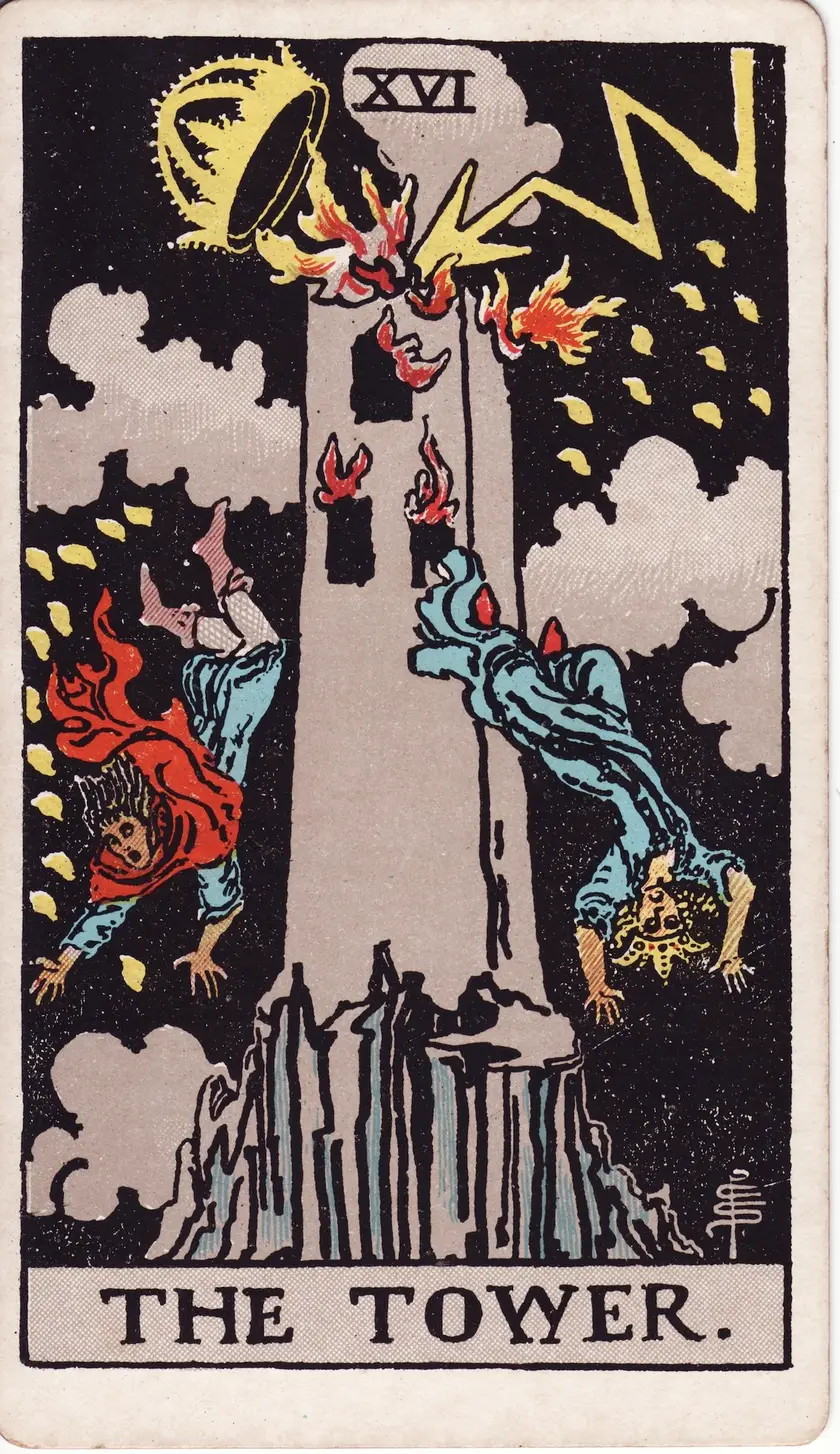
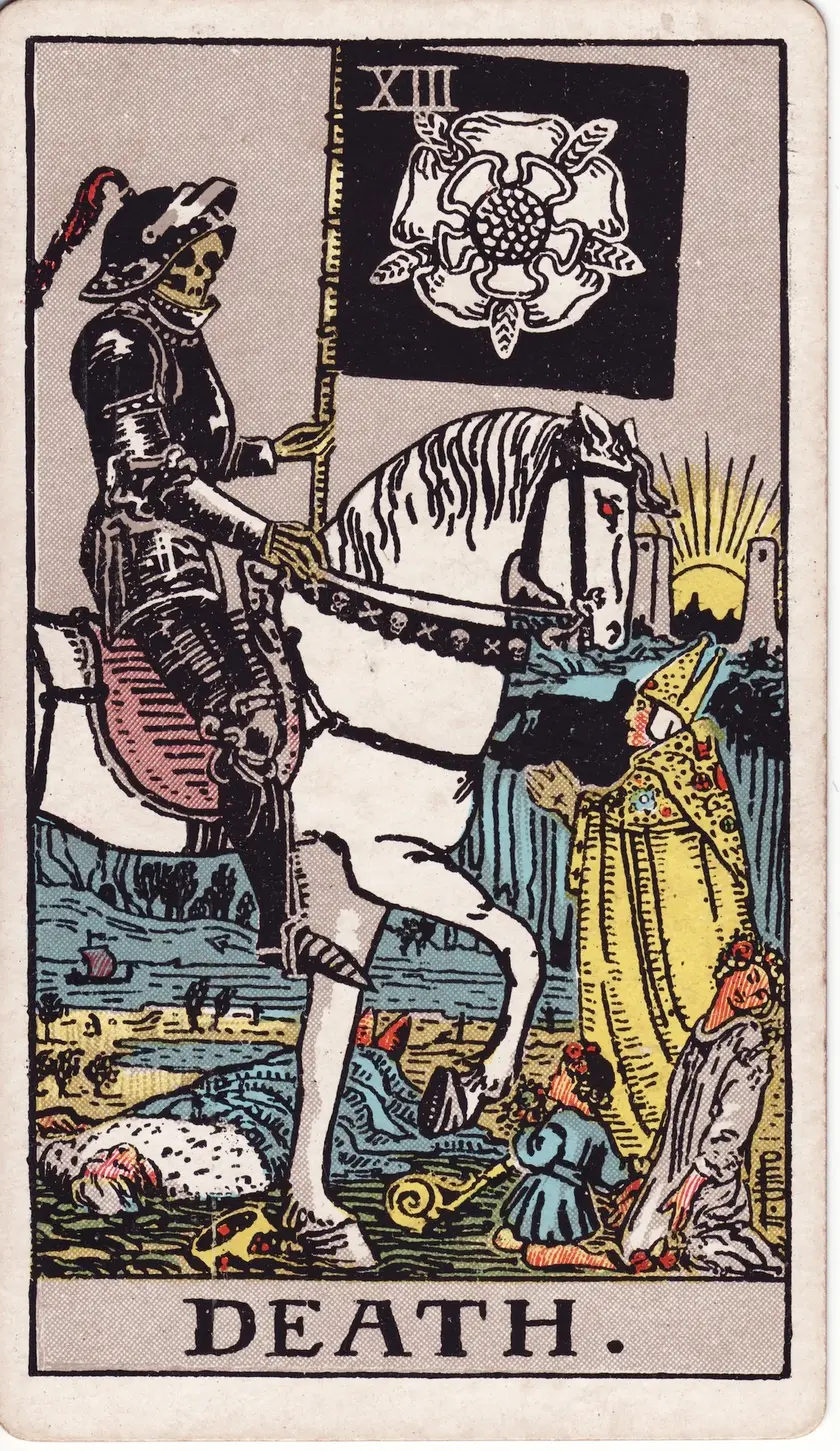
- Hard cards are read honestly: the Tower is a collapse, Death is an ending, and neither is softened into a lesson nor used to frighten.
- Every reading ends with one sign to watch for, and a week later we ask whether you noticed it.
Those rules run as automatic checks (banned words, time frames, section shape, the exact cards drawn) and then readings are read by a person on a schedule. When a check fails, the reading is written again before you see it.
How to test any reader yourself
Three questions tell you most of what you need.
- Did it use my question? Not the topic; the question. If you said "my lease ends in spring", does the reading know?
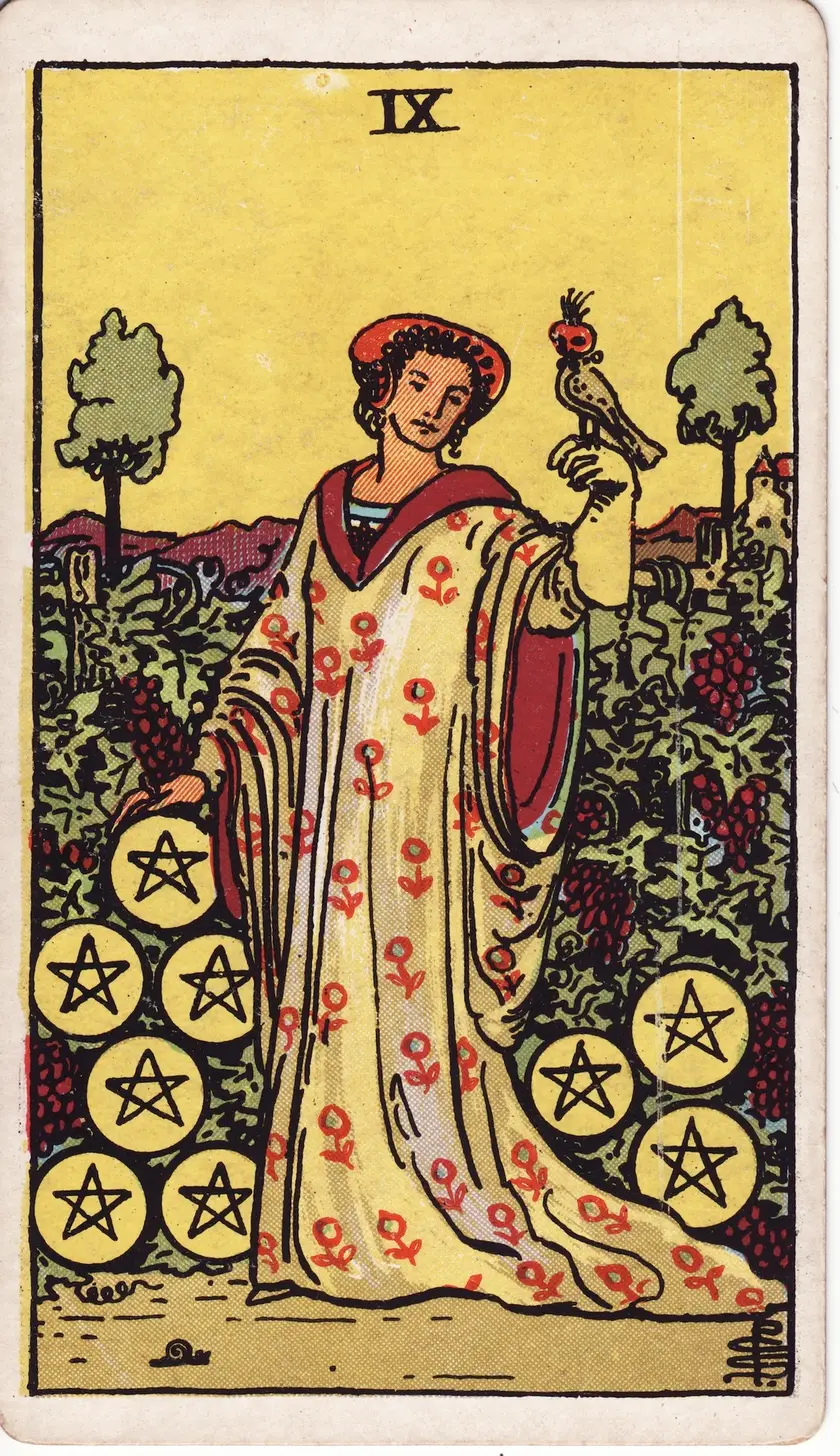
- Did it describe the cards I drew? Open the card picture and compare. A reader that says the Nine of Pentacles shows a man at a desk was not looking.
- Could it be wrong? A reading that cannot be wrong is not saying anything. "You may feel torn between the comfort of home and the pull to leave" could be wrong, and if it is right, it is because the cards and your words pointed there.
The fourth test takes a week: did the one thing it told you to watch for show up? Unfold asks you that at the check-in, and once enough people have answered, the share who said yes is published rather than guessed at.
Where a human reader is still better
A person across a table reads your face. They notice the card you flinched at and go back to it. They have met you before, and they carry that without being told. A good human reader is a conversation, and an app, however careful, is a letter.
Some of that gap can be narrowed. Follow-up questions let you go back to the card you flinched at. Signing in lets each reading read on from the last one and from what you said happened. The check-in is the app's way of asking "how did that go?". None of it is a person, and the reading never pretends to be one.
What an app can do that a person cannot is be checked. Every reading follows the same rules, and you can read those rules. For a thing you are paying a dollar for, that seems like the right trade.
What the numbers look like
We can say what is measured, which is more than most readers can. Every reading is run through the automatic checks before it is shown; the ones that fail are written again. A sample of readings is read by a person every time the prompts change, and the sample results are kept. And the public number, once there are enough check-in answers to make it honest, is the share of people who said the sign their reading told them to watch for showed up by the time of the check-in. That number is not published until at least two hundred people have answered, because a percentage of thirty is a story, not a measurement.
None of this makes a reading true. It makes a reading accountable, which is a different and more useful property: when it goes wrong you can say how, and so can we.
The question behind the question
People who ask "is AI tarot accurate?" usually mean "is it worth my time, or my dollar?". That is a fair question and the answer is the same as for a human reader: it is worth it if the reading tells you something about yourself you can use, and it is not if it tells you something about the future you cannot check. A reading that quotes your situation back, reads the actual cards, and gives you one thing to watch for has earned its dollar whether or not the cards are magic. A reading that promises a message from him by the weekend has not, however accurate it feels in the moment.
If you would like to judge for yourself, three real readings are shown whole, short and full, with the question each was asked. Read one against the tests above before you ask your own.