What reversed tarot cards mean
2 October 2026 · 6 min read · by Unfold editorial
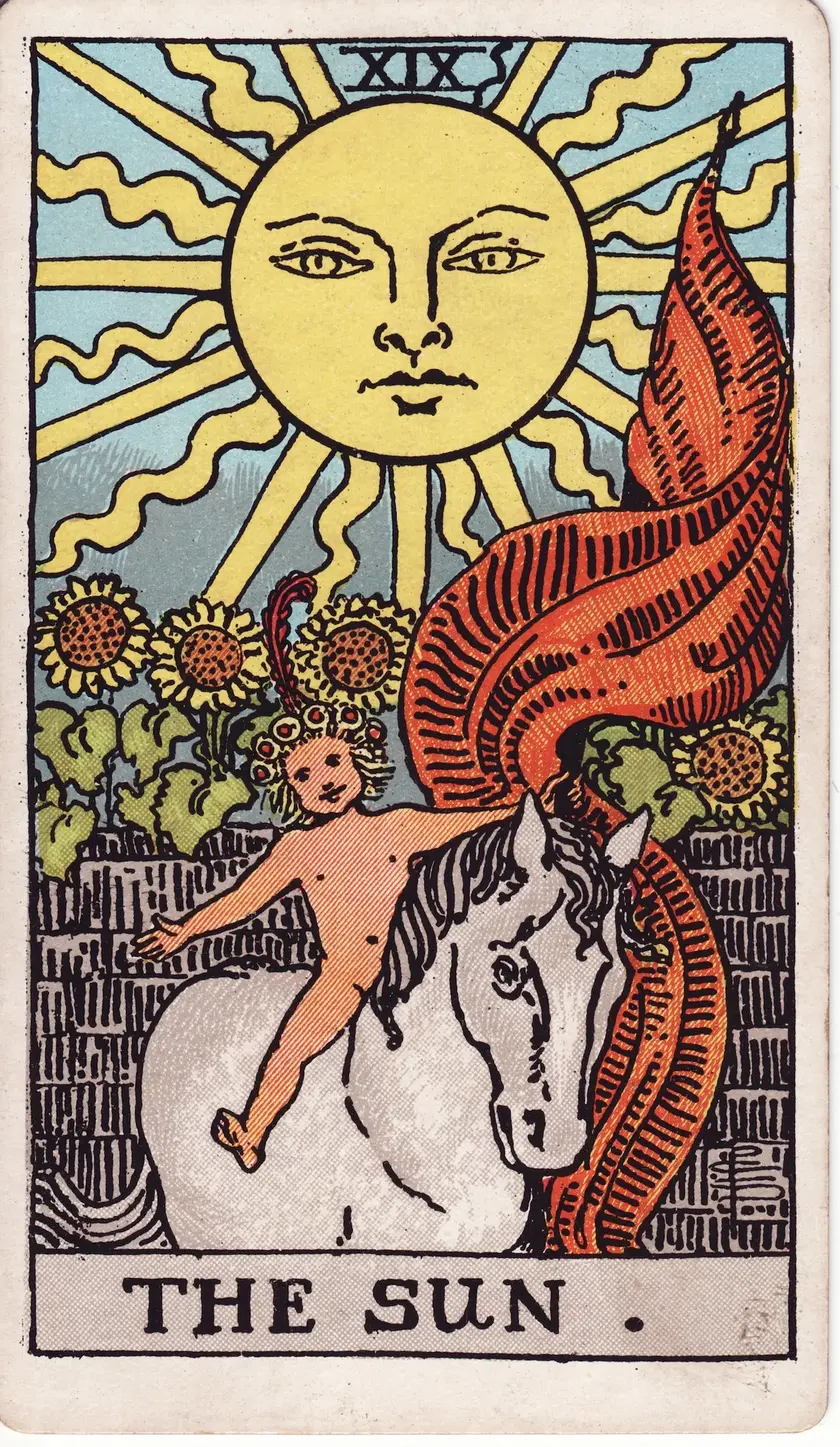
About half the cards in an Unfold draw land upside down. For many people that is the moment a reading starts to feel ominous: the Sun reversed, the Lovers reversed, surely that is bad news. It usually is not. A reversed card is the same card with its quality blocked, delayed or turned inward, and once you read it that way, reversals stop being frightening and start being the most specific part of the reading.
This article explains what a reversal is, the three common ways readers handle them, and why Unfold uses the one it does.
What a reversal is
When a deck is shuffled some cards turn end over end, so when they are drawn the picture is upside down. That is all a reversal is, mechanically. On Unfold the shuffle happens on the server with a cryptographically secure random generator, and each card has an independent chance of landing reversed, so roughly half do.
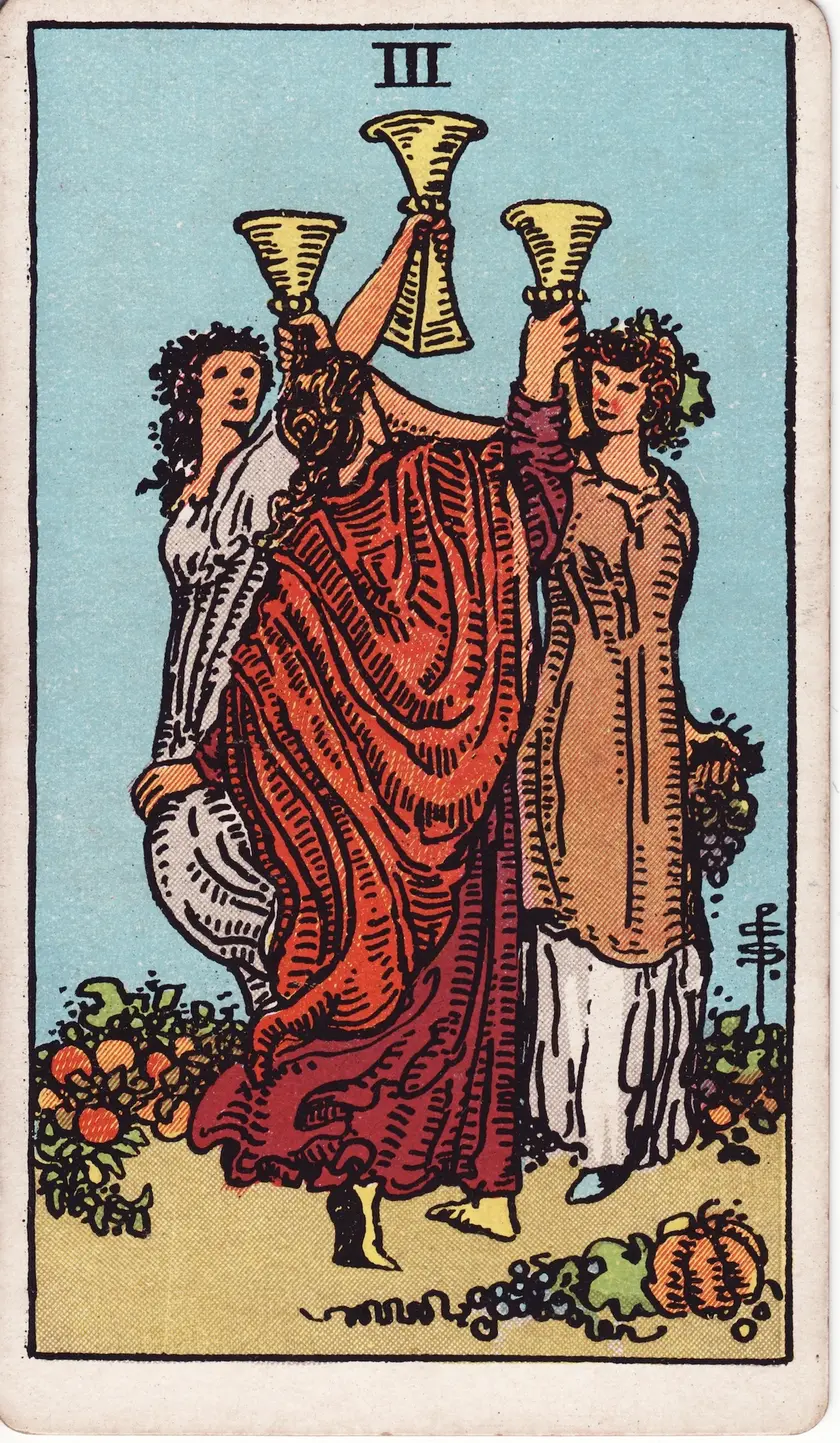
Meaning-wise, a reversed card points at the same territory as the upright one but says something has changed in how that territory is being lived. The Three of Cups upright is friends celebrating. Reversed, it is friends who have gone quiet, or a celebration you are not in the mood for, or a group that no longer feels like yours. The subject is still friendship. The news is that it is not flowing.
Three ways readers read reversals
Readers broadly do one of three things with a reversed card.
- Opposite: the reversed card means the reverse of the upright one. The Sun reversed becomes gloom. This is the oldest approach and the least useful, because it makes half the deck a list of bad news and ignores what the picture actually shows.
- Ignore: some readers do not use reversals at all and read every card upright. This is honest and simple, and it loses information: the same card lands in two different ways and only one gets read.
- Blocked, delayed or turned inward: the reversed card is the upright quality that cannot flow, is not yet here, or is happening on the inside rather than the outside. The Sun reversed is joy that is dimmed or held back, not sorrow.
Unfold uses the third. Every reading is written with the same rule: a reversed card is one that appeared upside down, and it usually means the card's quality is blocked, delayed or turned inward. The reading then says which of those three fits, given the question and the cards around it.
Try it on a real draw
A free three-card reading, written for your question, with a check-in a week later.
Ask the cardsBlocked, delayed, inward: telling them apart
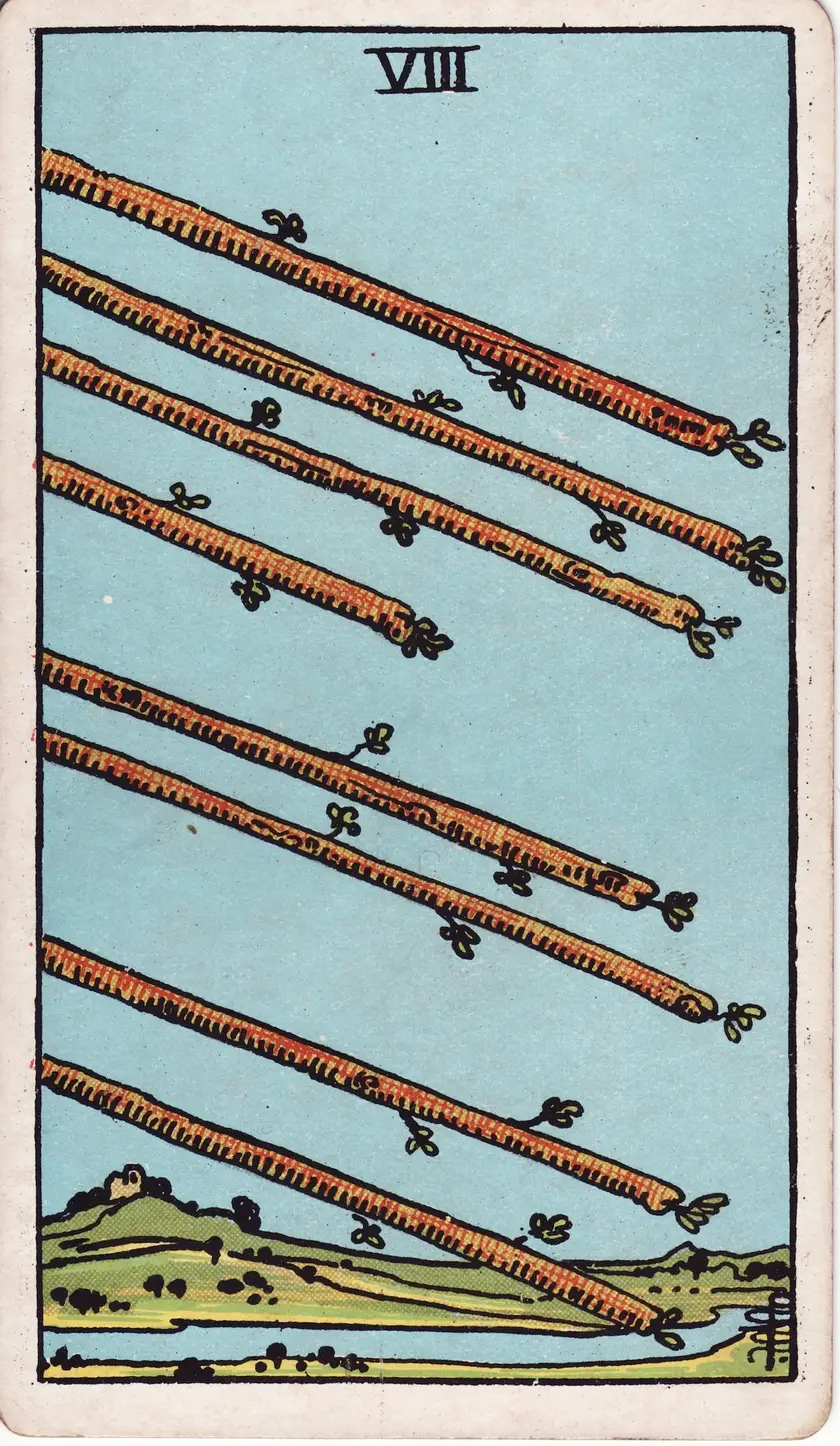
Blocked is the quality present but stuck. The Eight of Wands reversed is movement that keeps starting and stalling: the message not sent, the trip not booked, the momentum that never arrives. Something is in the way, and the reading tends to name what.
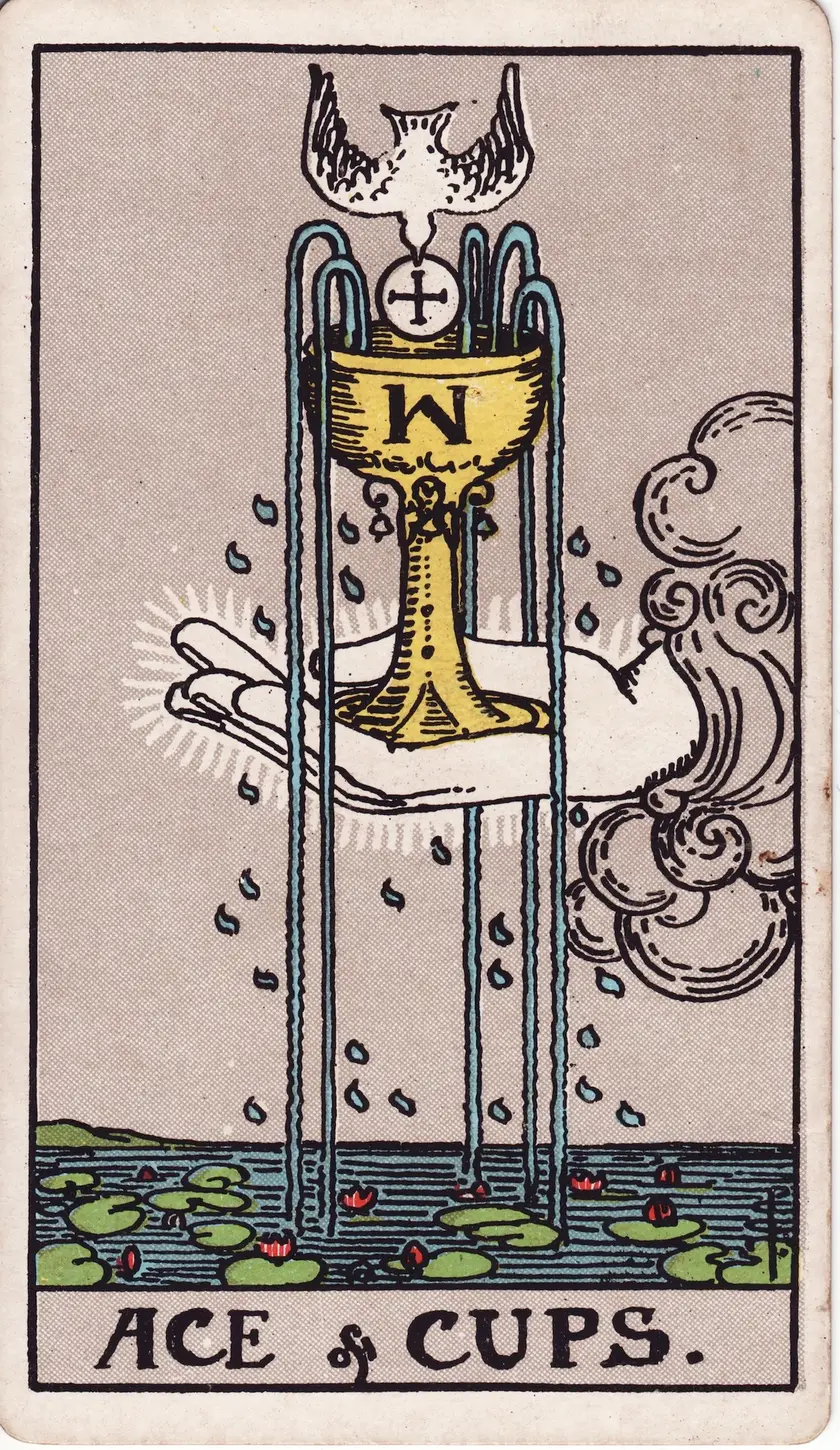
Delayed is the quality on its way but not here. The Ace of Cups reversed can be an offer of feeling you cannot receive yet, or a beginning that needs more time. The difference from blocked is that nothing is wrong; it is early.
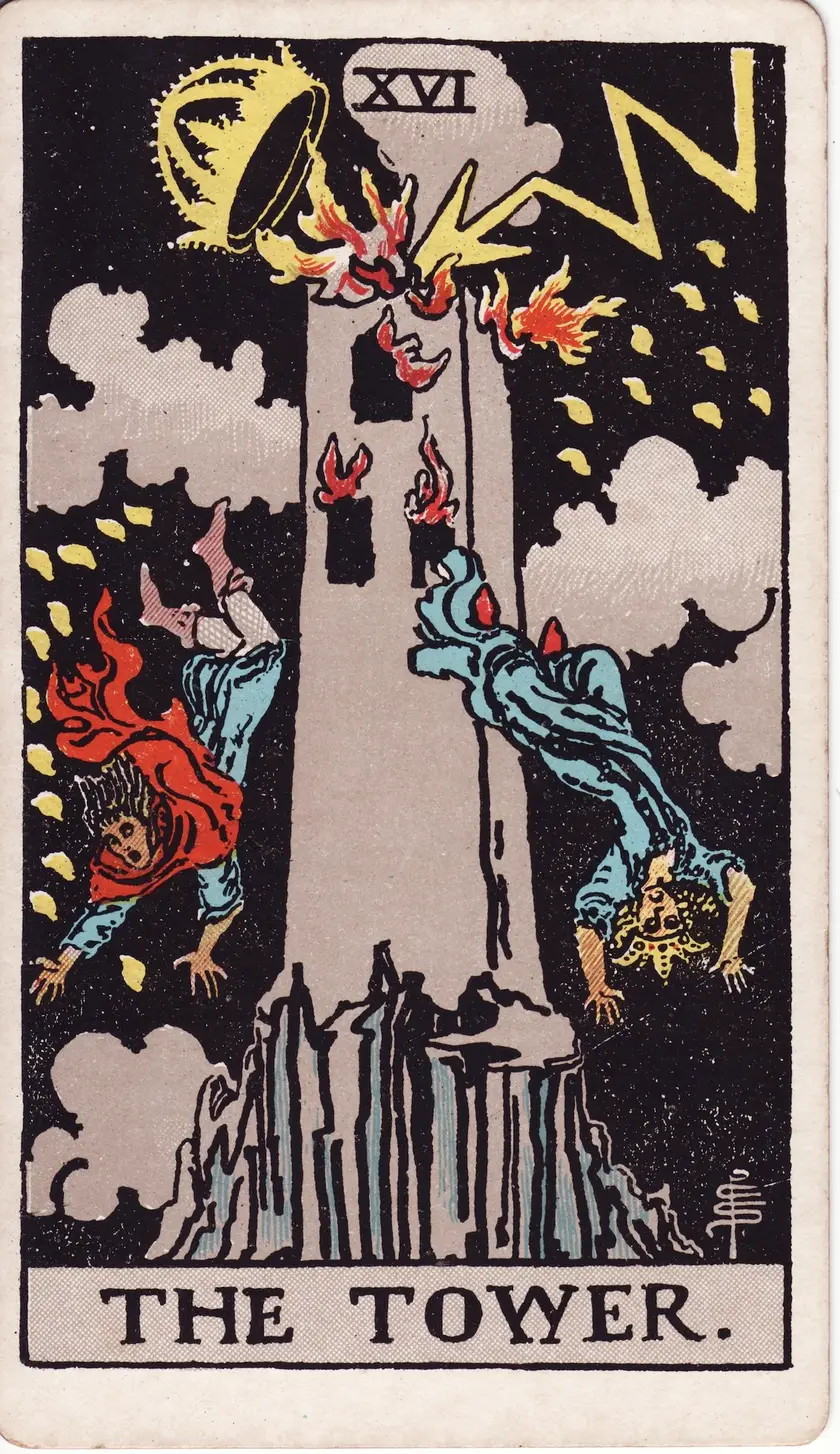
Inward is the quality happening privately. The Tower reversed is the collapse you are keeping inside while the walls still stand on the outside: a belief, a self-image, a plan quietly coming apart. The Hermit reversed can be the opposite kind of inward: isolation that has stopped being a retreat and become a hiding place.
Which one applies depends on the cards next to it. The Tower reversed between the Eight of Swords and the Star reads as a storm held in and then let out; the same card between two Pentacles reads as a financial fright you are not saying out loud.
Reversals that are good news
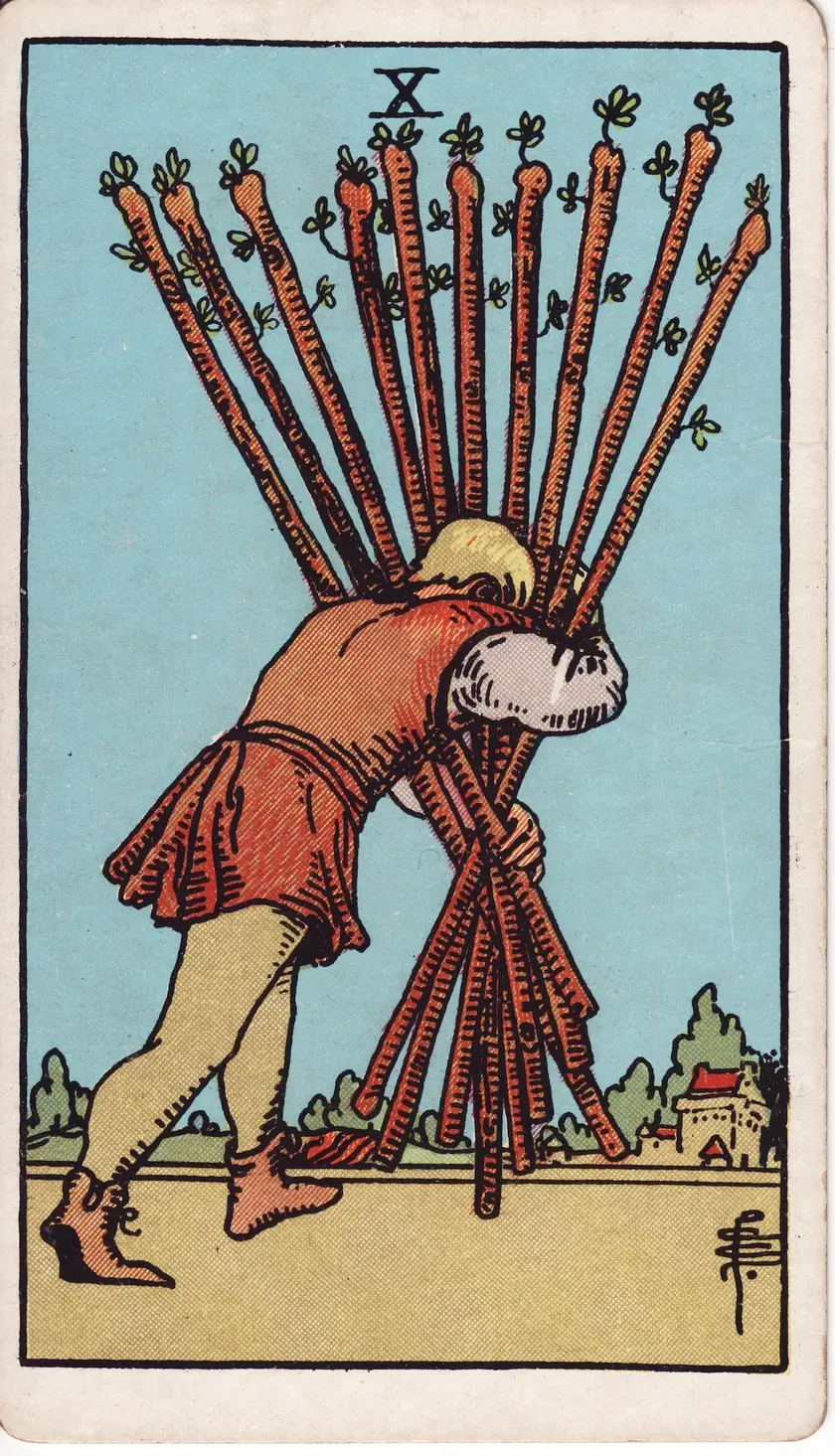
The hard cards reverse into relief more often than people expect. The Ten of Wands reversed is a burden set down. The Five of Pentacles reversed is the end of a hard stretch, or help arriving. The Nine of Swords reversed is often the worry easing, the night you finally sleep. The Devil reversed is a habit loosening its grip. If you have ever felt a quiet lift when a hard card came up reversed, that instinct is sound.
The reverse is also true. The Sun, the Star, the Ten of Cups reversed are not disasters, but they are the pleasant things not quite reaching you: a good situation you cannot feel, a hope that has gone quiet, a family picture with someone missing from it. Those readings are gentle, and often the most useful, because they point at the gap between how things look and how they feel.
What several reversals in one draw mean
Two or three reversed cards in a three-card draw is common and usually describes a situation that has not been able to move: a lot of energy, none of it flowing. The reading tends to spend more time on what is in the way and less on where things are heading. That is the right emphasis. There is no point describing the road when the car is in the garage.
All three upright is just as informative in the other direction: things are moving, and the question becomes whether they are moving somewhere you want.
Reading reversals yourself
If you lay cards at home, decide before you shuffle whether you are reading reversals, and stick to it. Read the picture first: what is the figure doing, and what does it look like upside down? The Hanged Man reversed stands on his feet, which is often exactly the point. Then ask which of the three applies, blocked, delayed or inward, and let the neighbouring cards decide.
Every card page on Unfold has an upright and a reversed section written this way, so you can check a card you have drawn against how a careful reader would take it. The 78 card meanings are the place to start.
A worked example: three reversed cards
Suppose you ask how to handle a stalled project and draw the Eight of Wands reversed, the Three of Pentacles reversed and the Knight of Pentacles reversed. Read as opposites, that is a disaster: no movement, no teamwork, no diligence. Read as blocked, delayed or inward, it is a diagnosis. The Eight is momentum that keeps stalling; the Three is collaboration that is not happening, perhaps because the people who should be building together are each building alone; the Knight is the careful, plodding work that has turned into plodding without the care.
Put together, the three say: this project is not failing, it is unattended. Nobody is doing the slow work, and the fast work cannot start without it. That is a reading you can act on by Thursday. The opposite reading, "everything is going wrong", is not.
The cards that barely change when reversed
A few cards mean almost the same thing both ways, and it is worth knowing which, so you do not over-read them. The Wheel of Fortune reversed is still a turn you did not choose; the difference is only whether you are on the way up or down, and the picture does not say. The Hanged Man reversed stands on his feet, and many readers take that as the pause ending rather than failing. Death reversed is an ending resisted, which is still an ending. Temperance reversed is the mixing gone out of proportion, which is still about proportion.
The rule of thumb: the more a card is about process rather than state, the less its reversal changes. Reversals bite hardest on cards that describe a condition, the Sun, the Ten of Cups, the Four of Pentacles, because a condition can be present or absent, and the reversal says which.
From a real reading
Question: “What is holding me back from speaking up?” (from our test set, not a customer).
Upside down, this card of a burning citadel struck by lightning shows an upheaval you might be trying hard to delay or hold inside. Following the Eight of Swords, and with two Major Arcana cards showing bigger life themes at work, you may be staying silent because you fear your honest words could bring the whole structure crashing down.