How to ask a tarot question that gets a useful answer
2 October 2026 · 6 min read · by Unfold editorial
Ask a hundred people what went wrong with a tarot reading they did not like and most describe the same thing: the answer felt general, and it did not seem to be about them. Some of that is the reader. A surprising amount of it is the question. The cards can only answer what they were asked, and a question with nothing of you in it gets a reading with nothing of you in it.
This is a short guide to asking well. None of it is mystical. It is closer to the advice you would give someone writing to a wise friend: say what is actually going on, ask about the part you can do something about, and do not ask the friend to predict other people.
Ask about something you are part of
The single biggest change you can make is to put yourself in the question. "What should I know about my relationship?" is a question about a thing. "How can I show up better in my relationship while we work this out?" is a question about you, in a thing. The second gets a reading that can name what you are doing, what you are avoiding, and what you could try, because those are the parts a card can speak to.
A good test: could the answer change what you do tomorrow? If the honest answer is no, the question is probably about watching rather than acting, and the reading has nowhere to land.
Do not ask the cards to speak for someone else
"Does he still love me?", "Is she sorry?", "Are they ever coming back?" These are the most common questions brought to tarot and the ones it answers worst. A card cannot look inside another person. What it can do is describe how you are standing in relation to them: whether you are waiting, hoping, bracing, or already moving on. Unfold's readers are written to do exactly that, so a question about another person's feelings comes back as a reading about yours. That is not a dodge. It is the only honest reading available.
If you catch yourself writing a question with someone else as the subject, try turning it around: "What do I need to understand about where I stand with him?" keeps the situation and gives the cards a person to read.
Try it on a real draw
A free three-card reading, written for your question, with a check-in a week later.
Ask the cardsDates and timing
"When will I meet someone?" and "When does this get better?" are questions about a calendar, and a tarot deck does not have one. Some readers use timing systems (Wands for days, Pentacles for years); they disagree with each other and none has ever held up when checked. Unfold does not give dates at all, by rule.
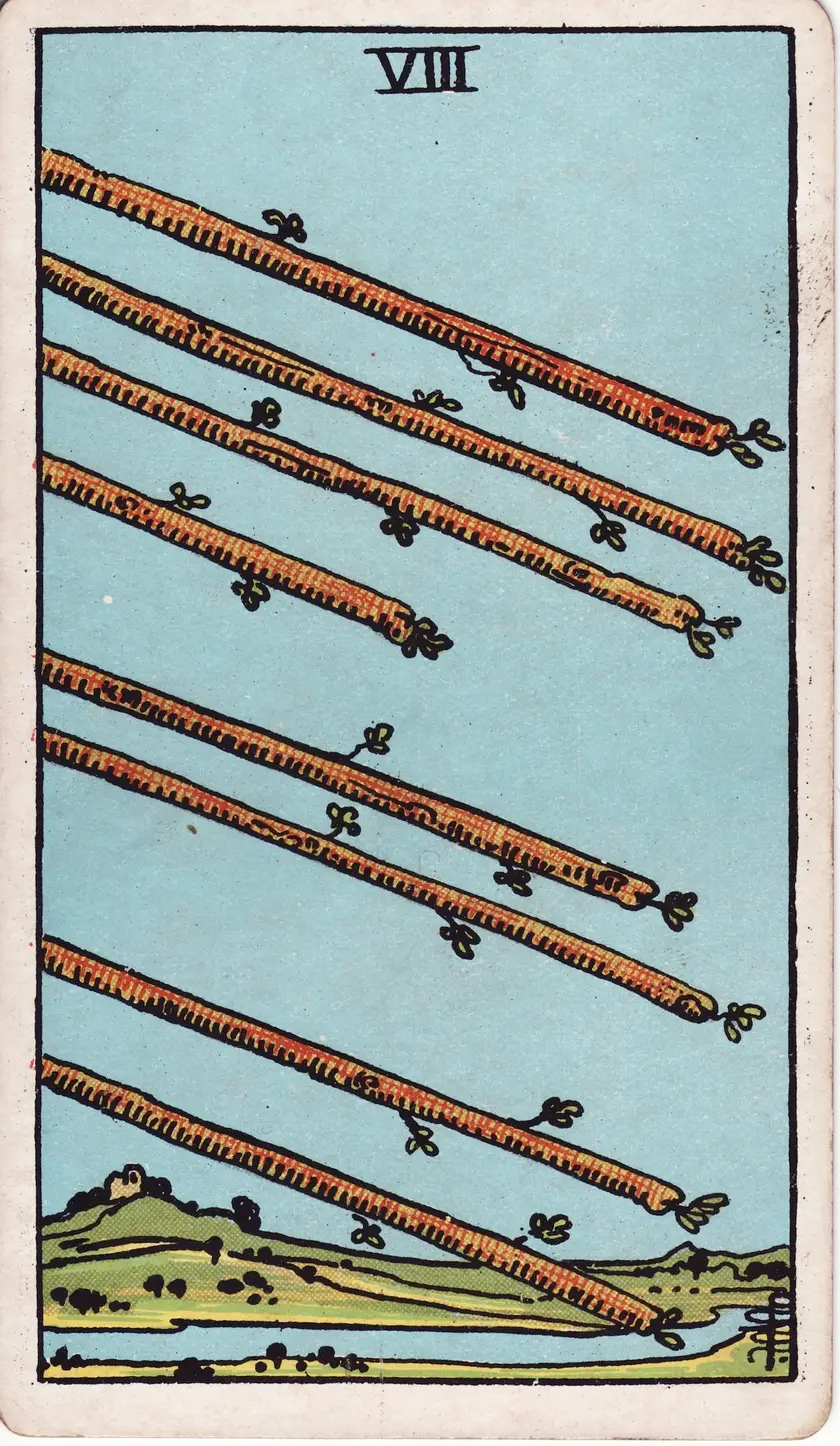
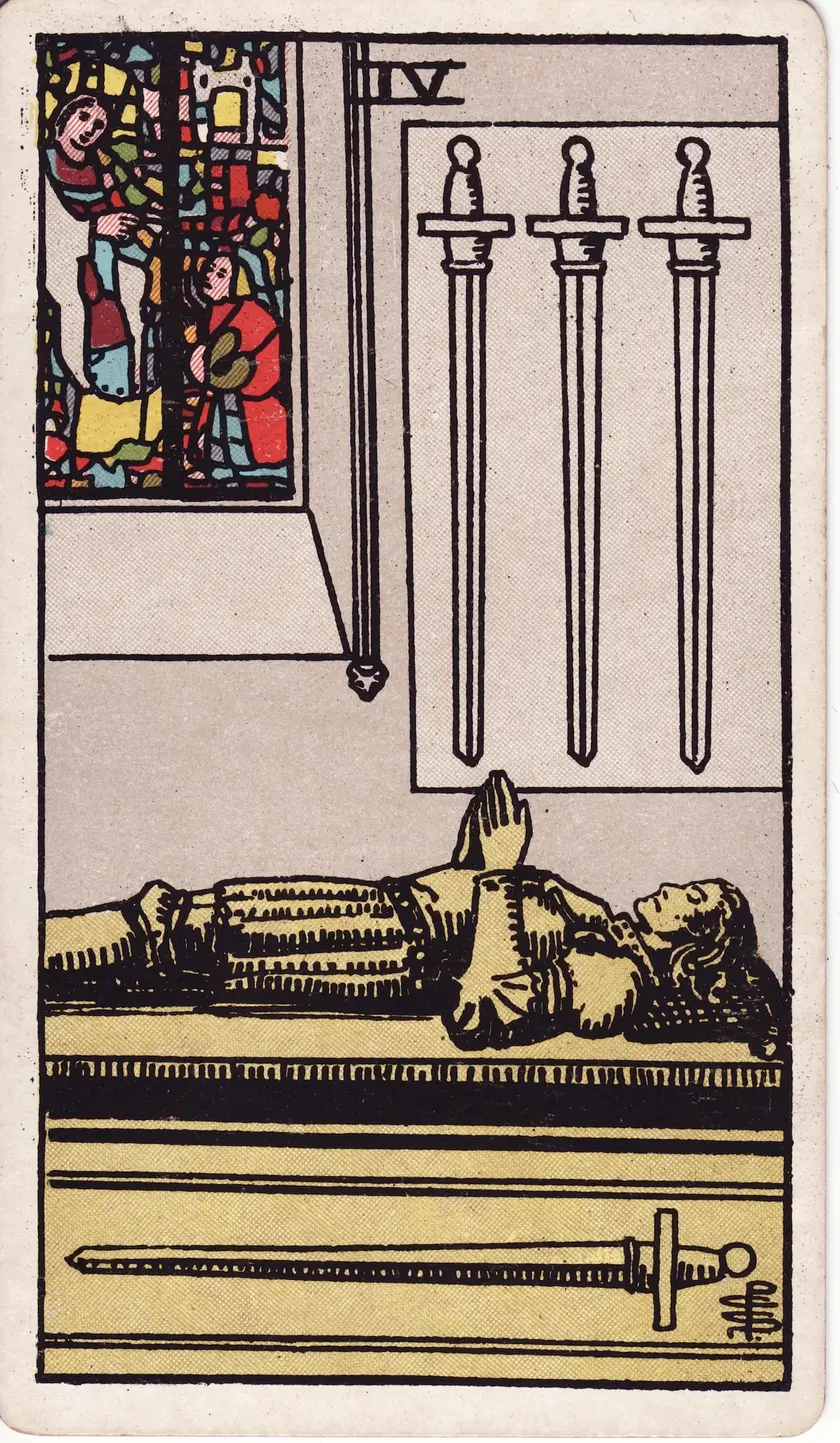
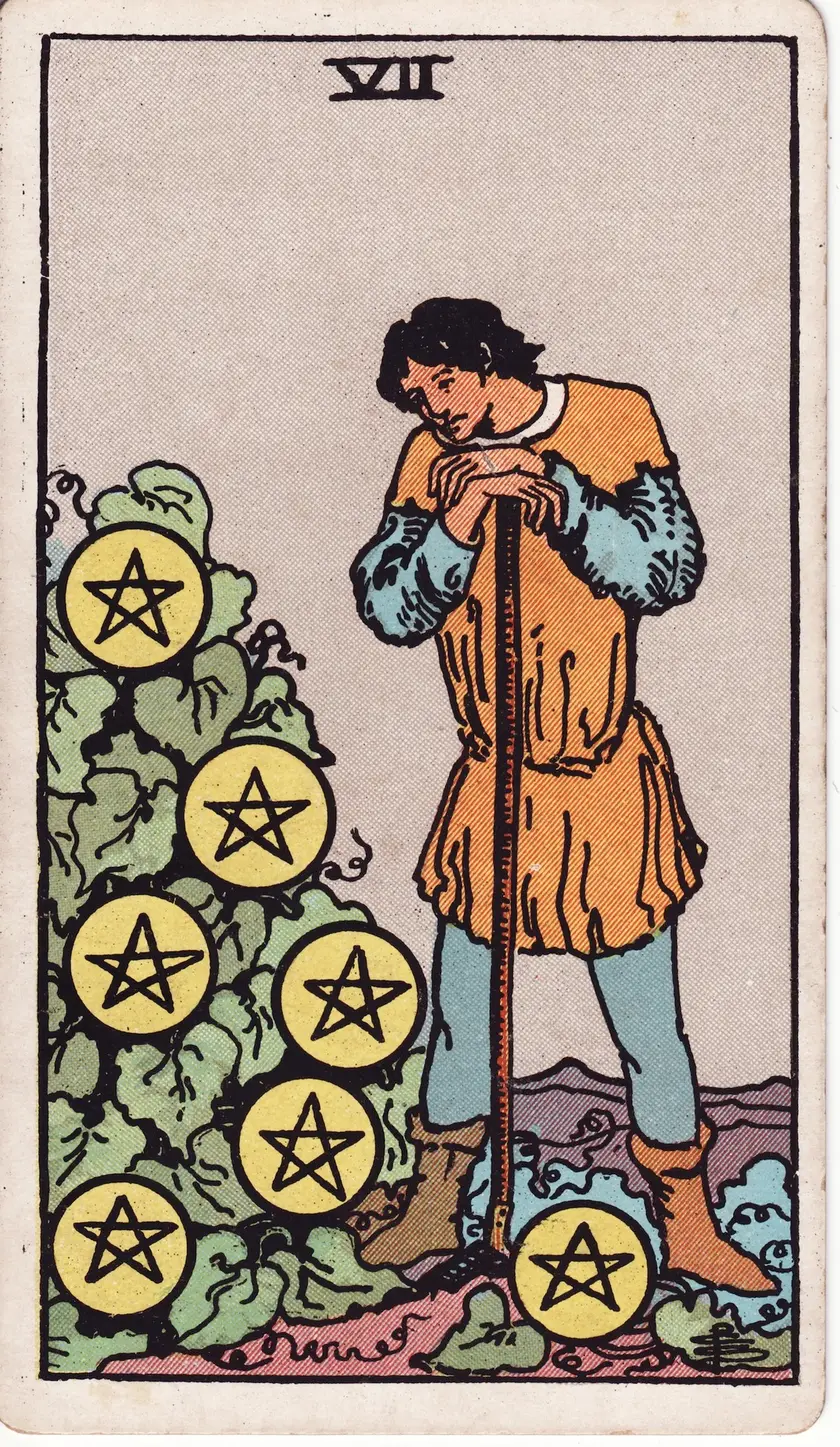
What the cards can do with a timing question is describe pace. The Eight of Wands says things could move quickly once they start; the Four of Swords says there is rest before movement; the Seven of Pentacles says the thing is growing and cannot be hurried. "What is the pace of this, and what is it waiting on?" is a question that gets a real answer.
One sentence, then a line of context
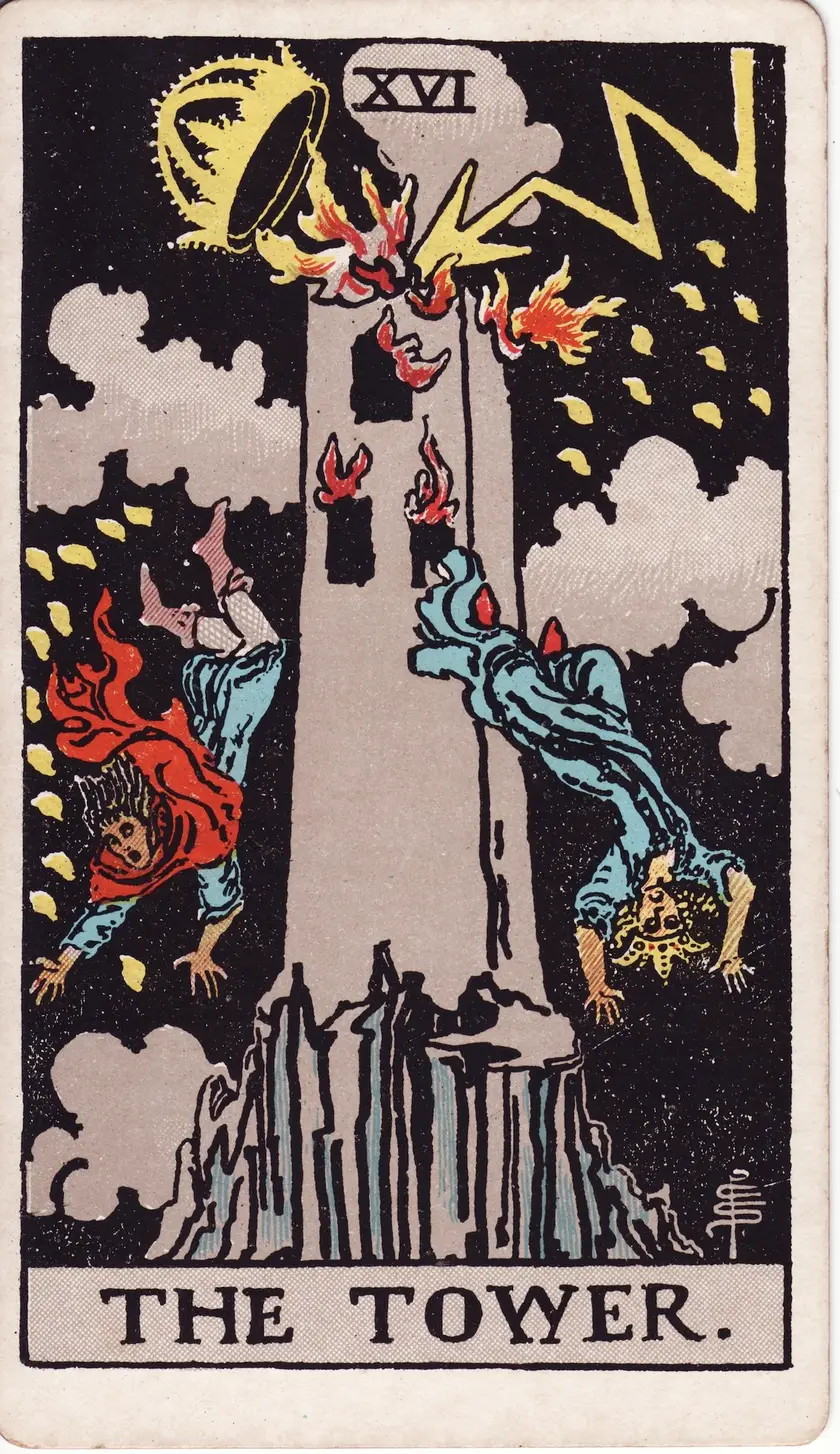
A question works best as one sentence. If you need three to explain it, the extra two are context, and context is useful; it just belongs in its own place. On Unfold there is an optional box under the question for exactly that: what is actually going on, and what a good outcome would look like. The reading quotes those lines back and reads the cards against them, which is the difference between "the Tower suggests a sudden change" and "the Tower here looks like the lease ending before you have decided".
Keep the context plain. Names are not needed. "My manager changed last month and I have been quiet in meetings since" is enough.
Questions that work, and why
- "What am I not seeing about the decision in front of me?" You are the subject; the answer can change what you look at.
- "How can I handle the conversation with my sister without shutting down?" A situation, a person, and a thing you can do.
- "What is this restlessness at work trying to tell me?" An inner state, which is what cards describe best.
- "What would help me let this go?" Asks for a lever, not a verdict.
And the ones that disappoint: "Does he miss me?" (someone else's inside), "Will I get the job?" (a verdict with nothing for you to do), "When will my luck change?" (a date). Each of these has a workable version: what you are doing with the missing, how to prepare for the interview, what you could change rather than wait for.
Health, legal and money questions
You can ask these on Unfold, and the reading changes shape. A question about a symptom, a court case or an investment gets a reading about how you feel and what you tend to do under that kind of pressure, with the first line sending the decision itself to a doctor, a lawyer or a financial adviser. These readings are never shared and never sold a longer version. That is not timidity; it is where a tarot reading's usefulness stops.
If you cannot think of a question
Leave it blank. A reading with no question is read as general guidance for where you are, and it is often the one people find most surprising, because they had not named the thing on their mind and the cards did. If you want a nudge, the suggested questions under the box are real ones people ask; pick one and edit it until it is yours.
However you ask, the check-in comes a week later with the same question in front of you, asking how it went. A good question makes that answer easy to give.
Rewriting a weak question, three times
Here is a question as it usually arrives, and three passes to make it answerable. First draft: "Is he the one?" This asks the cards to judge another person and to see years ahead; a reading cannot do either. Second draft: "Is this relationship right for me?" Better, because you are in it now, but "right" is still a verdict word and the cards tend to answer it with a shrug. Third draft: "What do I need to see about how I am in this relationship, and what it is asking of me?" Now there is a person to read, a situation, and room for the answer to be uncomfortable.
Notice what each pass did: it moved the subject from him to you, it moved the time from someday to now, and it swapped a yes-or-no for a what. Almost every weak question can be fixed with those three moves, and it takes under a minute.
Asking the same question again
People ask whether it is allowed to ask the cards the same thing twice. It is allowed; it is just rarely useful on the same day. A second draw on the same question tends to be a search for a nicer answer, and the reading you get is the one you went looking for. Wait until something has happened. A week on, with the check-in answered, the same question is a different question, and the next reading reads on from what you said.
If you cannot wait, change the question rather than the deck: "What was I not ready to hear in that reading?" is a fair follow-up, and on Unfold you can ask it as one, under the reading you already have, where the cards are still on the table.
From a real reading
Question: “Should I move back to my hometown this year?” (from our test set, not a customer).
The cards point toward a strong emotional pull to return, especially around family ties and belonging. A shift may bring rapid movement and relief, but taking time to plan before your lease ends could keep you grounded.