Tarot for decisions, not predictions
2 October 2026 · 6 min read · by Unfold editorial
The most useful thing a tarot reading can do is not tell you the future. It is help you see a decision from an angle you had not stood at. That sounds modest next to prophecy, and it is also the only part of tarot that has ever held up: a well-read spread changes what you notice, and what you notice changes what you do.
This article is about using the cards that way on purpose. It assumes you have a real decision in front of you and would like help thinking, not a verdict.
Why prediction is the wrong frame
A prediction takes the decision out of your hands. If the cards say the job is yours, you stop preparing; if they say it is not, you stop trying. Either way the reading has made you more passive, which is the opposite of what you came for. Prediction also cannot be checked except by waiting, and by the time you can check it the moment to act has passed.
A decision reading keeps you in the room. It describes what is true, what you want, what you are afraid of, and what each path asks of you. You still decide. The reading is the friend who asks the question you were avoiding.
Framing the question as a decision
The shape that works is "How can I…" or "What do I need to see about…". "Should I take the job?" is a verdict question; the cards cannot know, and a reading that answers yes or no has overstepped. "What am I not weighing about the job?" and "What does taking it ask of me?" are decision questions, and they get decision answers.
If you have two options, read them as one situation with two postures rather than two separate readings. Two draws invite you to pick the nicer-looking one. One draw with the choice in the question makes the cards describe the choosing.
Try it on a real draw
A free three-card reading, written for your question, with a check-in a week later.
Ask the cardsThe cards that help most with a choice
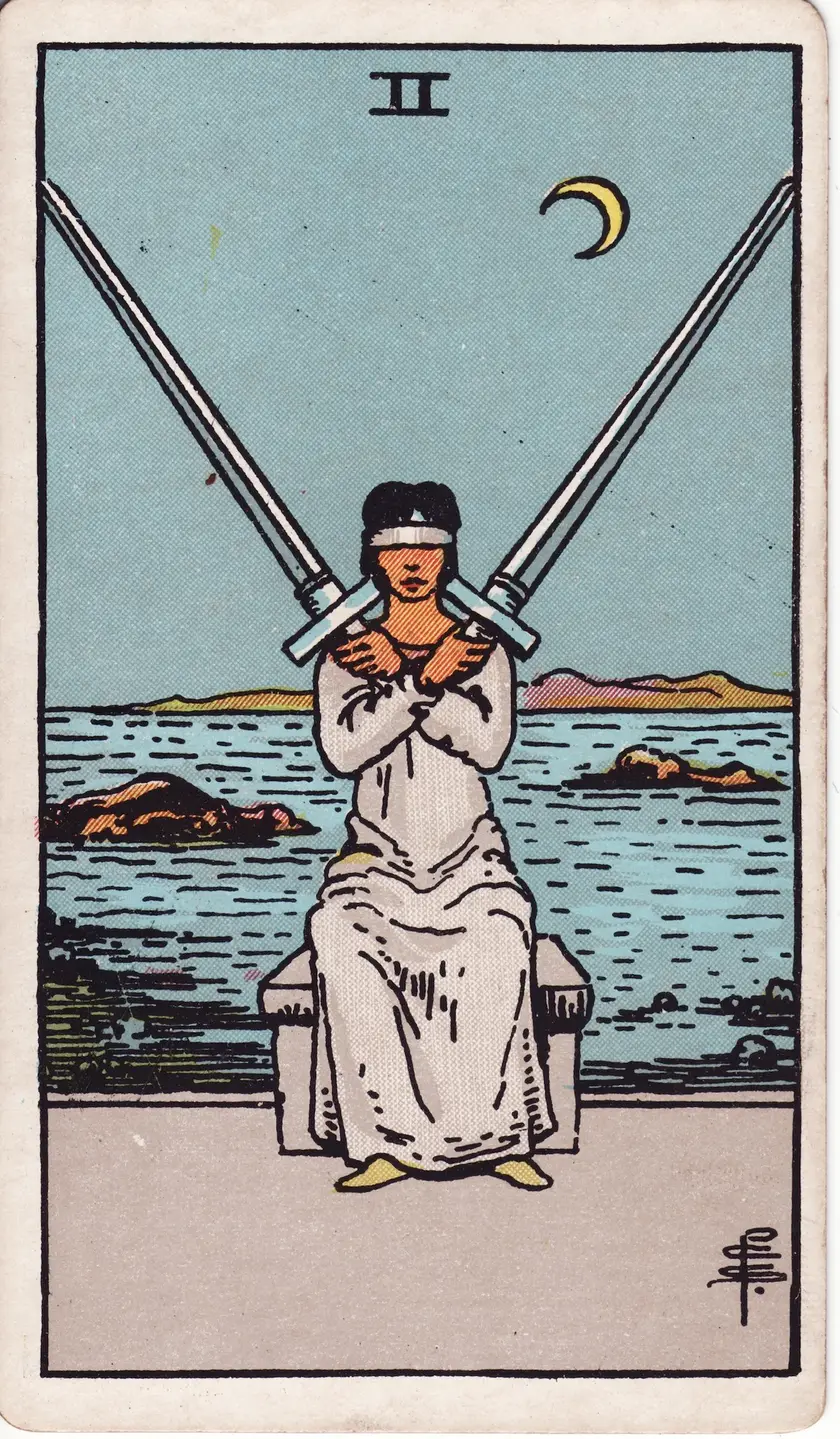
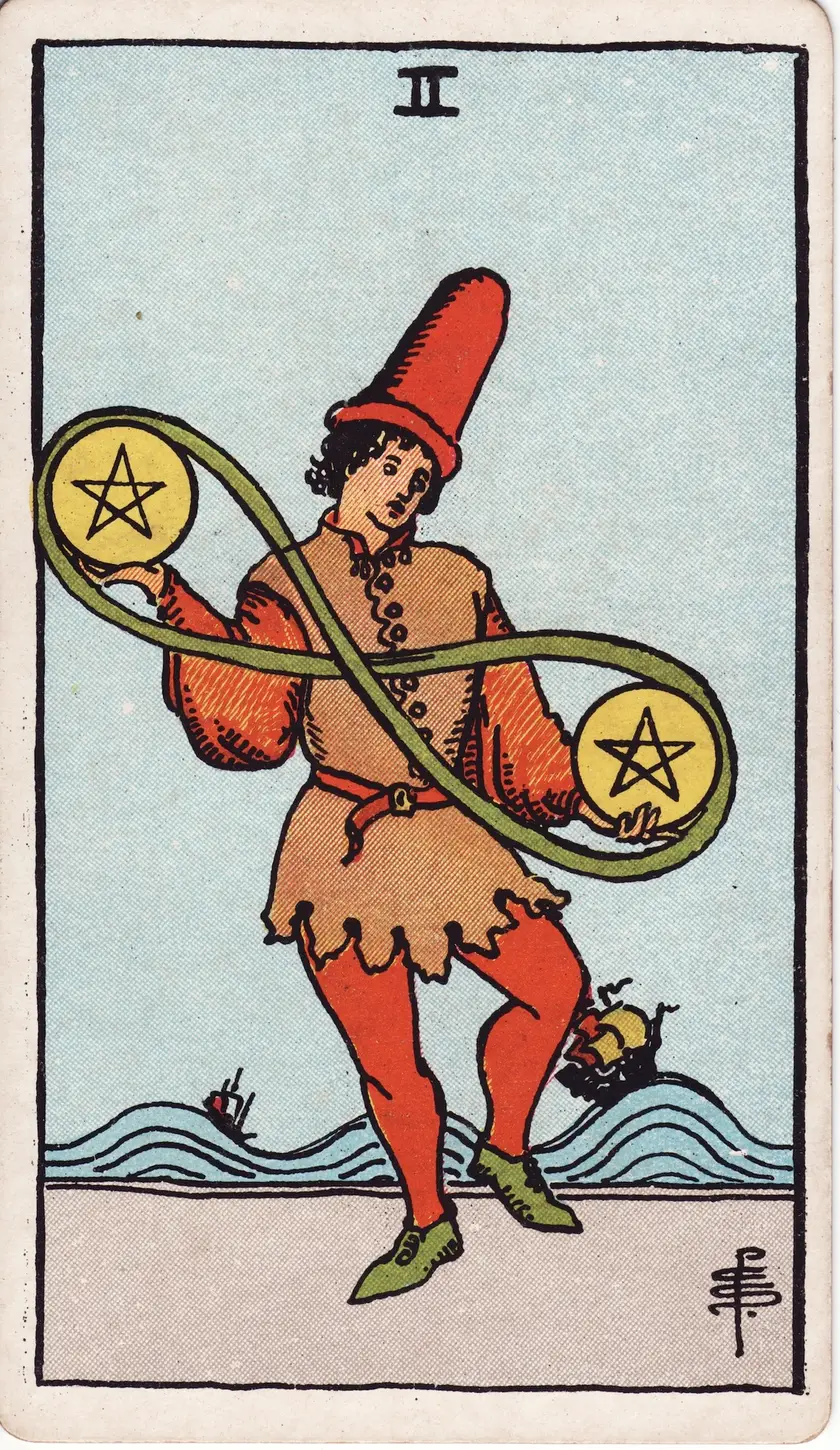
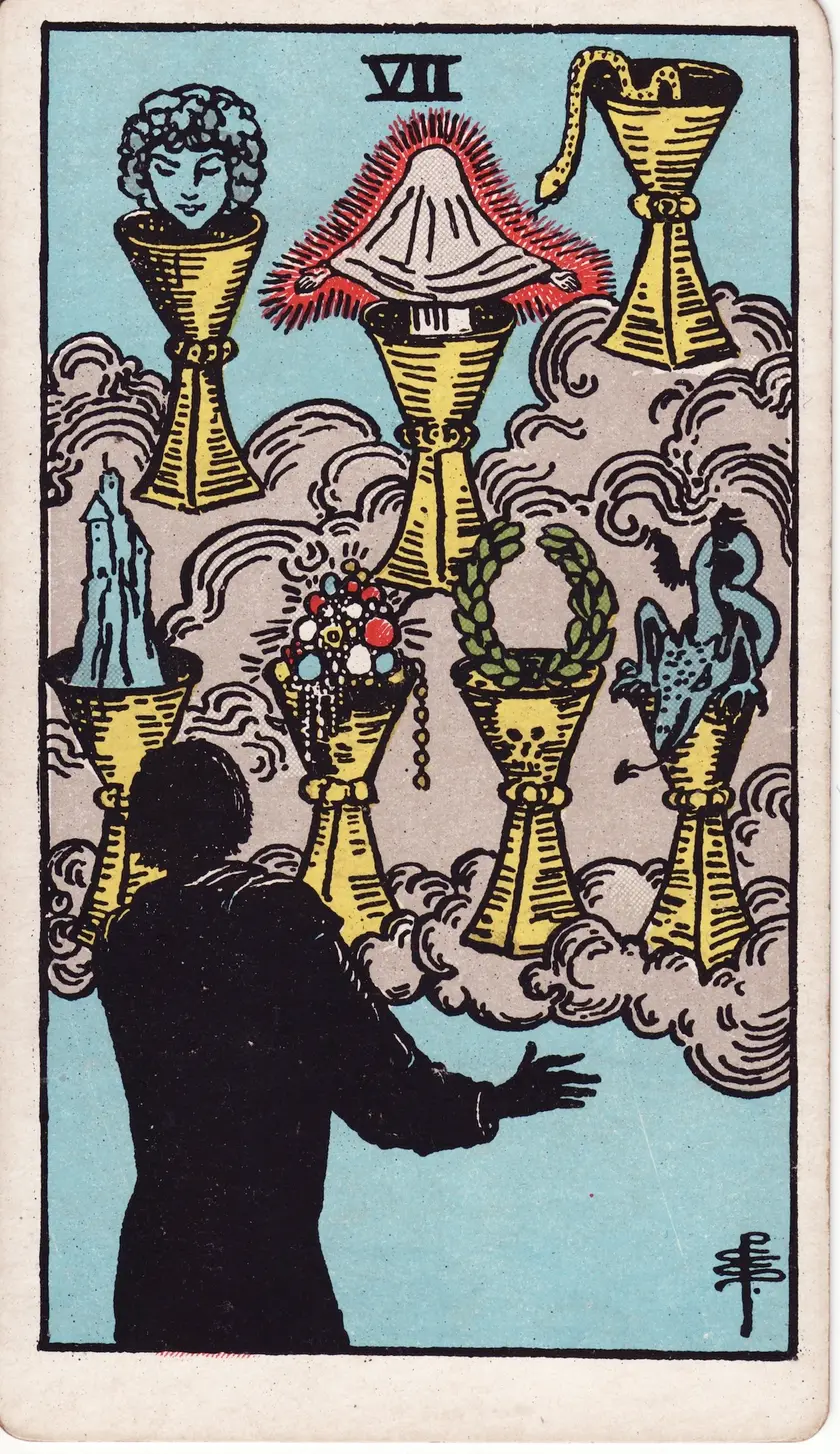
Some cards are almost built for decisions. The Two of Swords is the choice itself: blindfolded, arms crossed, holding two blades she cannot put down. When it appears, the reading is usually about why you cannot choose, not which to choose. The Two of Pentacles is juggling, and asks whether the real problem is choosing or carrying both. The Seven of Cups is too many options, half of them fantasies, and tends to say: pick the one with a floor under it.
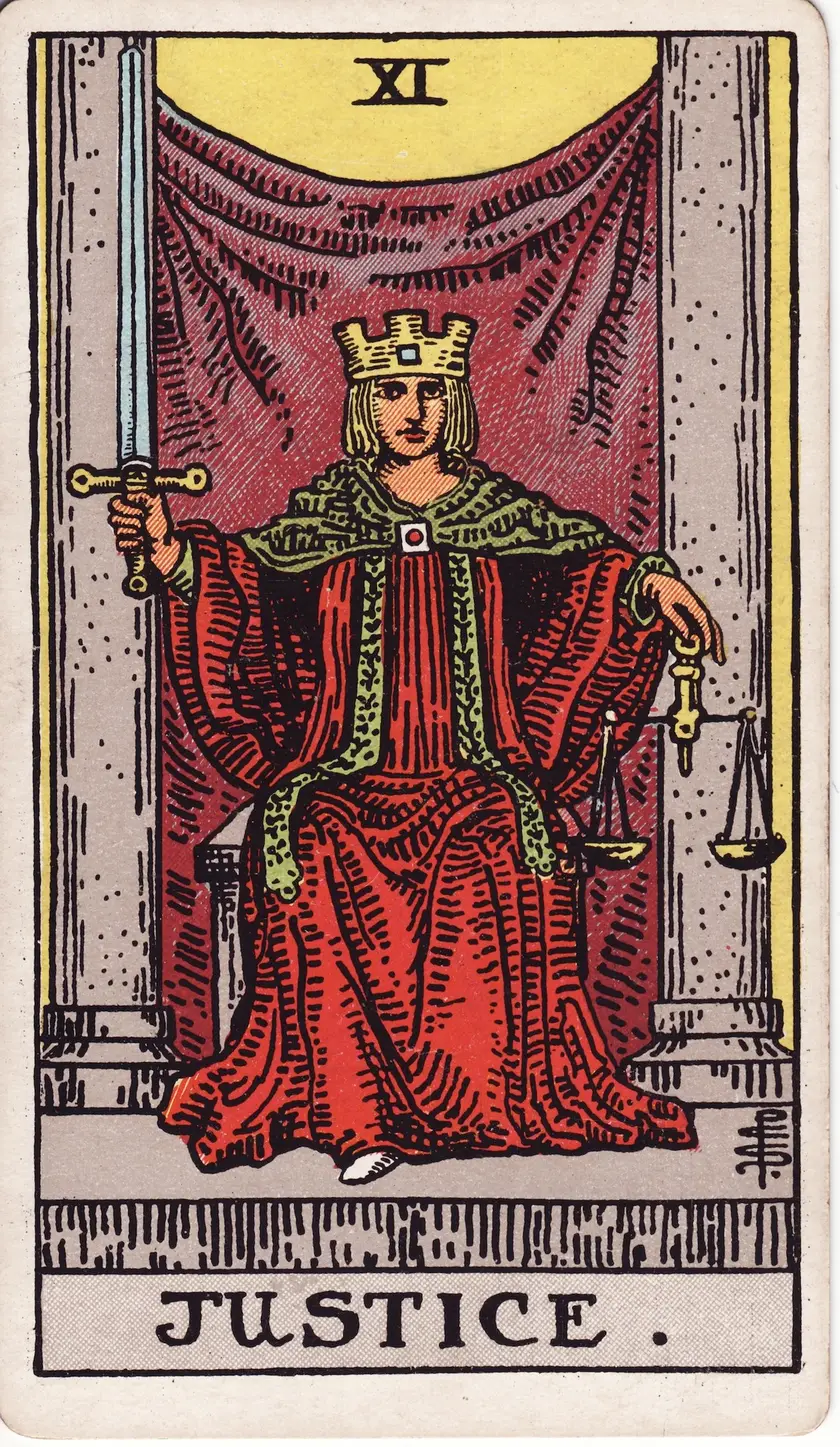
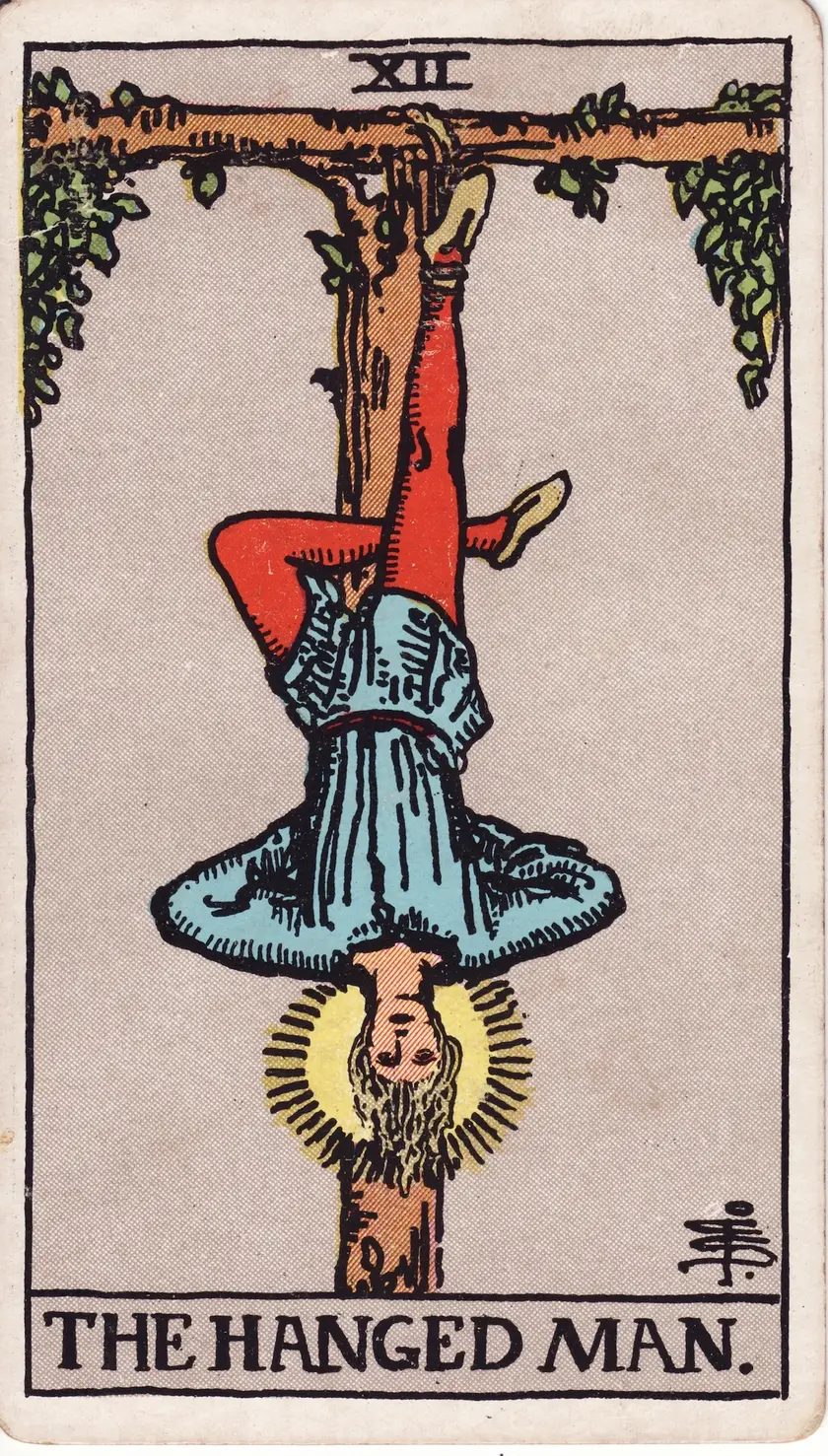
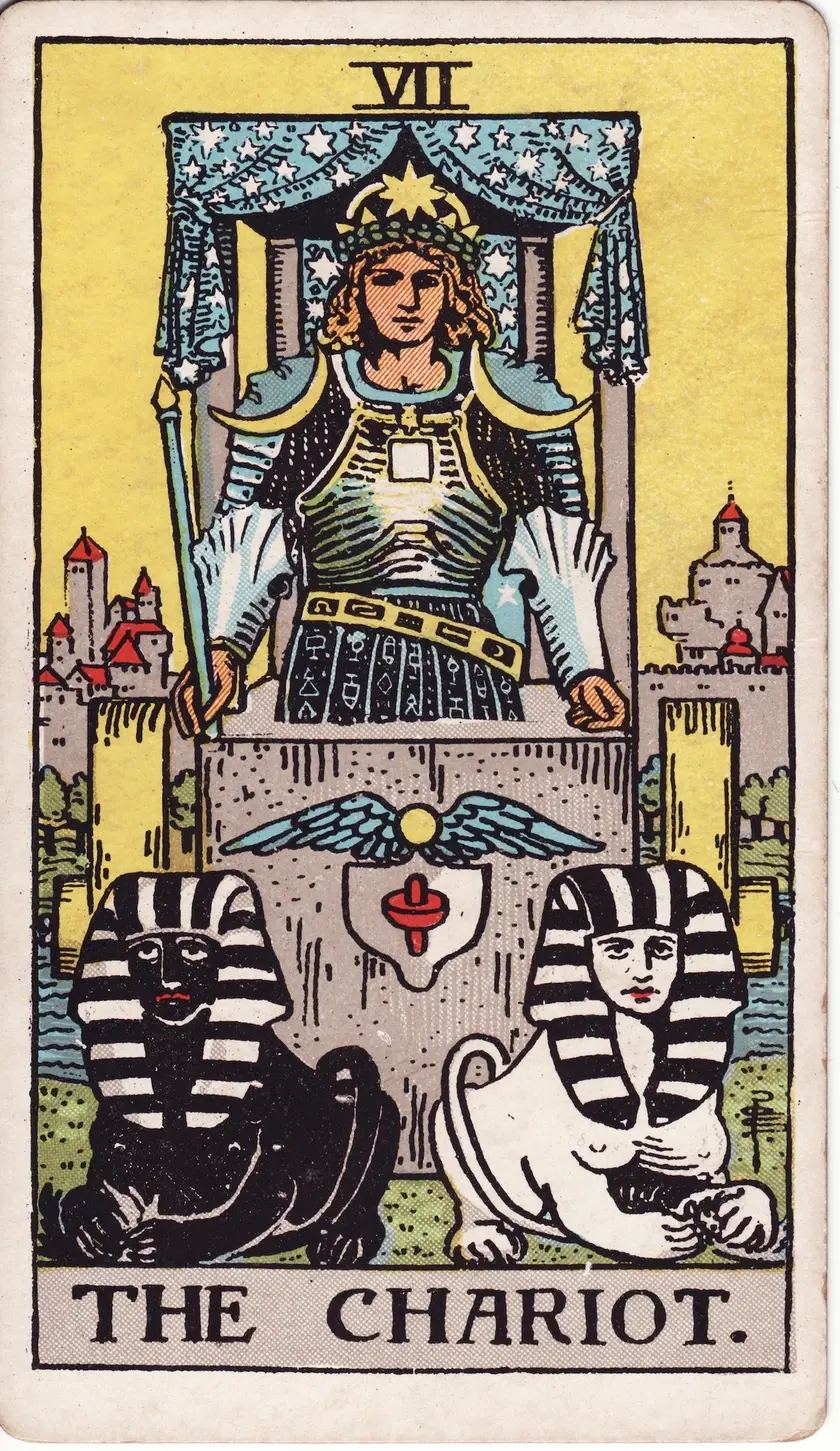
Justice is the card of weighing, and it rarely tells you the verdict; it tells you to weigh honestly. The Hanged Man says wait, and means it: there is something you cannot see from where you stand. The Chariot says you can drive this if you take the reins, and reversed, that you are trying to drive two directions at once.
Court cards describe a way of acting rather than an outcome. The Knight of Pentacles says do the slow, careful version; the Knight of Wands says move before the window closes; the Queen of Swords says decide with the facts and say so plainly.
Reading for a decision, step by step
- Write the decision as one sentence, and under it the thing you are most afraid of getting wrong. The second line is context; give it to the reading.
- Draw three cards and read the Present card first. It is where you actually stand, which is often not where you think.
- Ask of each card: what does this want me to notice? Not what does it predict.
- Read the three as a line. Where the first and last card point is the direction you are already leaning. Notice whether that surprises you.
- Take the "what you can do" steps literally. They are small on purpose.
- Write down the one sign to watch for. If it shows up, you have information you did not have.
That last step is why Unfold checks back in a week later: a decision reading is only as good as what you noticed afterwards.
When the reading disagrees with you
Sometimes you draw cards hoping they bless the thing you have already decided, and they do not. The Tower on the plan you were excited about; the Four of Cups on the offer everyone says is wonderful. This is the most valuable reading you can get, and the one most people throw away.
Do not re-draw. Ask instead what the card is pointing at that you had put down. The Tower rarely means do not do it; it more often means the version you are picturing is built on something that is not there. The Four of Cups does not say refuse; it says you are not as interested as you are telling people, and that is worth knowing before you sign.
The reading is not the decision. But a reading you disagreed with and then thought about has done more for you than three that agreed.
Decisions the cards should not make
Health, legal and money decisions are not for a tarot reading, however it is written. Unfold reads those questions for feeling and habit only, and sends the decision to a doctor, a lawyer or a financial adviser in the first line. If you are deciding whether to stop a medication, settle a case or move your savings, use the cards for how you feel about it, and a professional for the rest.
Nor should a reading decide for someone else. "Should my brother take the job?" gets you a reading about your part in your brother's job, which is the only part the cards can see.
A decision reading, read out
Someone asks "How should I handle the restructure at work?" and draws the Five of Pentacles, the Queen of Swords and the Six of Wands. A prediction reading would say: hard times, then a tough woman, then victory. A decision reading says: you are standing outside in the cold looking in, which is how a restructure feels from the inside of it; the posture available is the Queen's, clear-eyed and plain-spoken, deciding with facts rather than rumours; and the direction that posture leads is being seen for what you do. The reading then gives one thing to watch for: if you catch yourself drafting the honest email and deleting it, that is the Queen of Swords talking.
Nothing in that tells the person what the restructure holds. All of it tells them how to stand in it, which was the question.
Decisions you have already made
A good share of decision readings are drawn after the decision, by people who want to be told it was right. The cards do not do that, and it is a kindness. What they do instead is describe what the decision asks of you now: the Two of Pentacles says the new life needs juggling you have not set up; the Nine of Pentacles says it needs you to enjoy it rather than keep justifying it; the Hermit says it needs a little time alone before the next move. Read that way, a reading after a decision is a briefing, not a verdict, and it is one of the most useful readings there is.
From a real reading
Question: “Should I take the new job offer or stay where I am?” (from our test set, not a customer).
Sitting in the present with solid authority, you have the leverage to demand clear conditions rather than simply jumping at an escape. Looking forward, any path you select may require active juggling, so the real test is deciding which set of responsibilities you genuinely want to balance.