The three-card tarot spread, five ways
2 October 2026 · 6 min read · by Unfold editorial
Three cards is the reading most people learn first and the one most readers keep using for life. It is small enough to hold in your head and large enough to show movement, which a single card cannot. What most beginners do not realise is that the three positions are a choice. Past, Present, Future is the classic, and Unfold uses it, but the same three cards can be asked different questions.
This article covers five layouts, which questions suit each, and the one skill that matters more than any layout: reading the three as a line rather than a list.
Past, Present, Future
The default, and for good reason. The Past card is where the question came from, the Present is where you stand, the Future is the direction things lean. It suits any question with a before and after: a decision you have been circling, a relationship that has shifted, a pattern you keep noticing. Unfold reads every three-card draw this way, and the three-card reading page describes each position in detail.
Its one weakness is that people read the Future card as a prediction. It is not. It is momentum: if nothing changes, this is where the current direction goes. The whole point of the other two cards is that something can change.
Situation, Action, Outcome
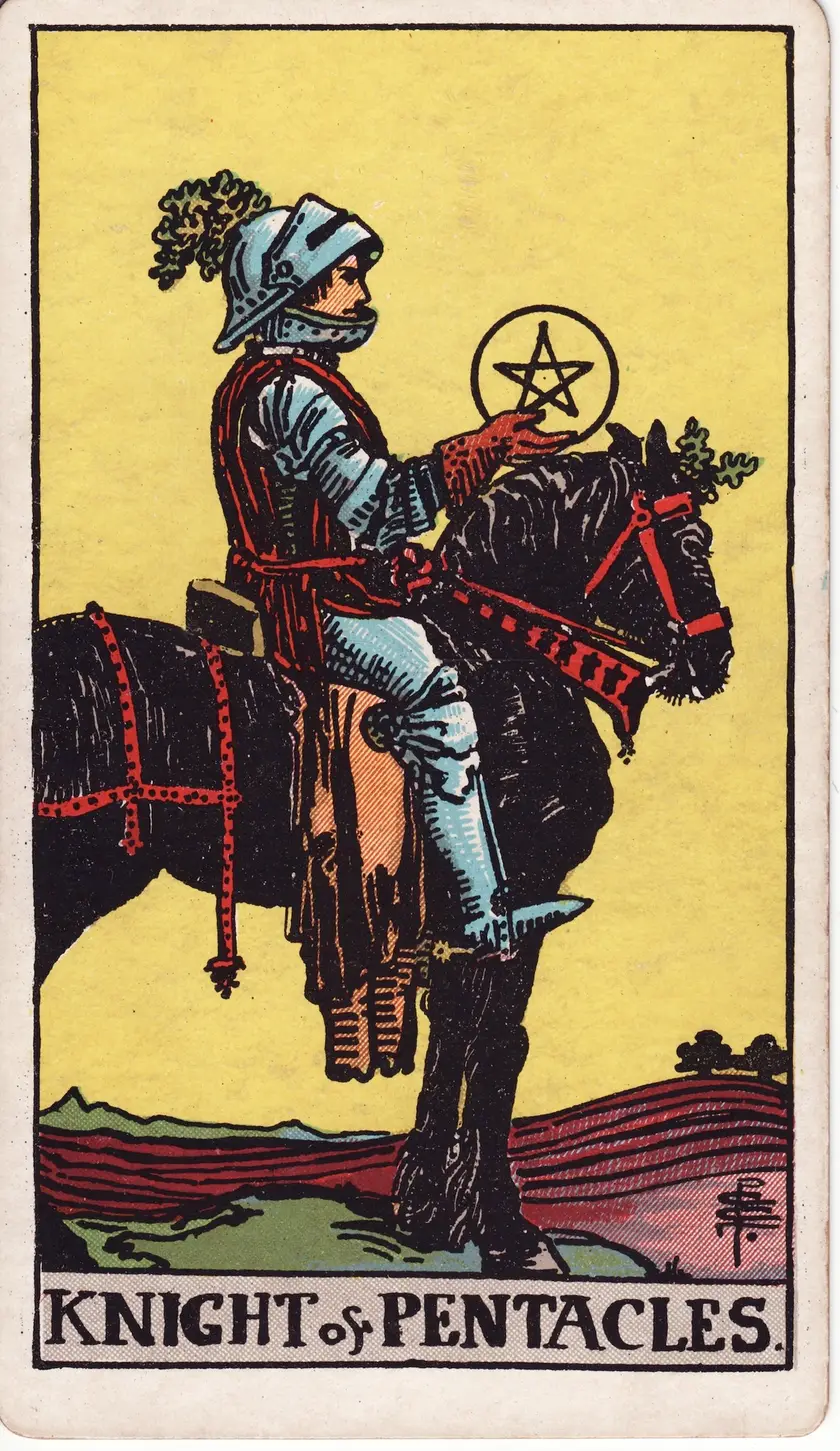
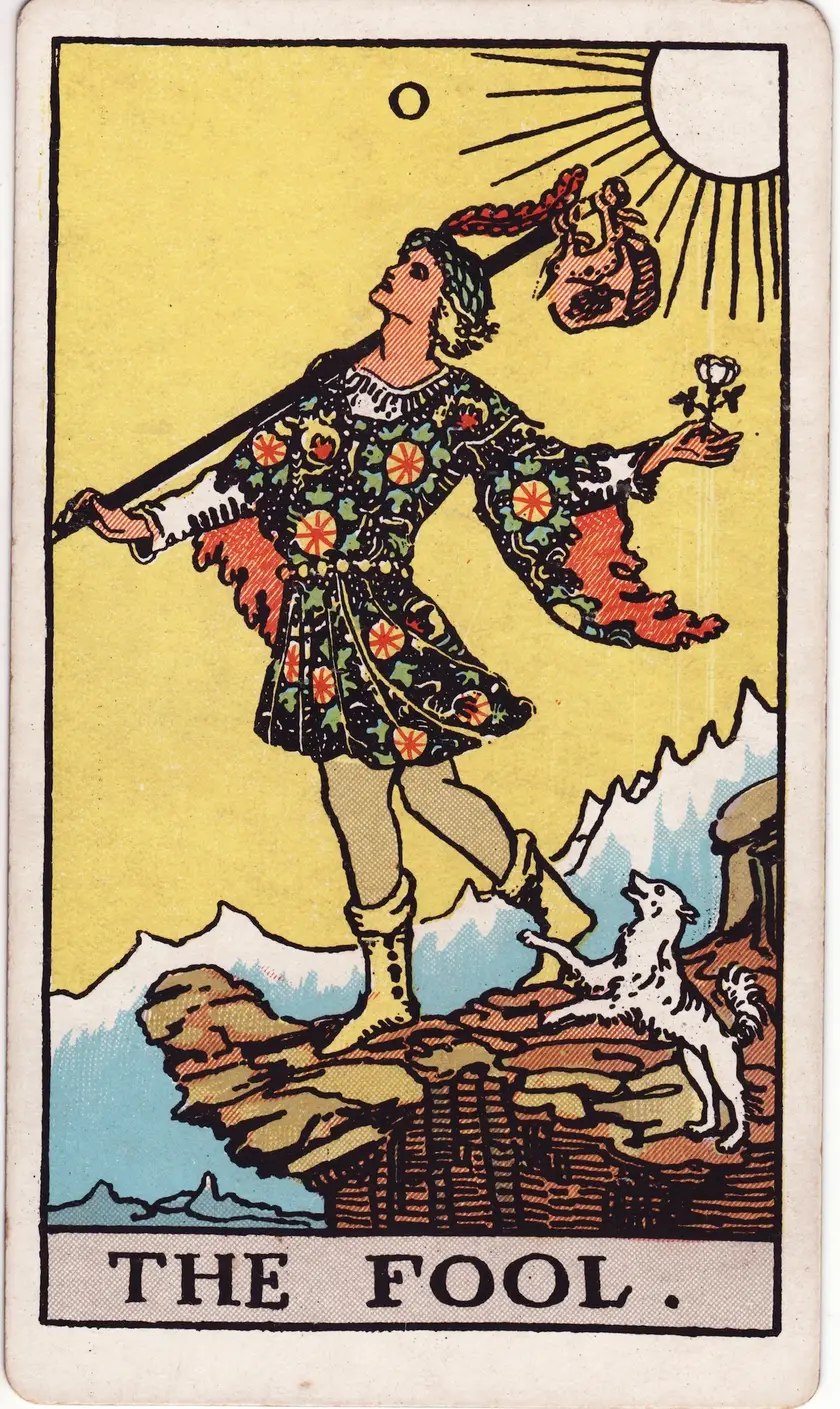
For a decision. The first card describes what is true now, the second a way of acting in it, the third where that action tends to lead. It is a more practical layout than Past, Present, Future because the middle card is an instruction rather than a description. "Should I take the job?" reads well here: the Situation card often names the thing you were not weighing, the Action card suggests a posture (the Knight of Pentacles says do the boring diligence; the Fool says take the leap), and the Outcome is read as the result of that posture, not of the job itself.
Try it on a real draw
A free three-card reading, written for your question, with a check-in a week later.
Ask the cardsYou, Them, The Relationship
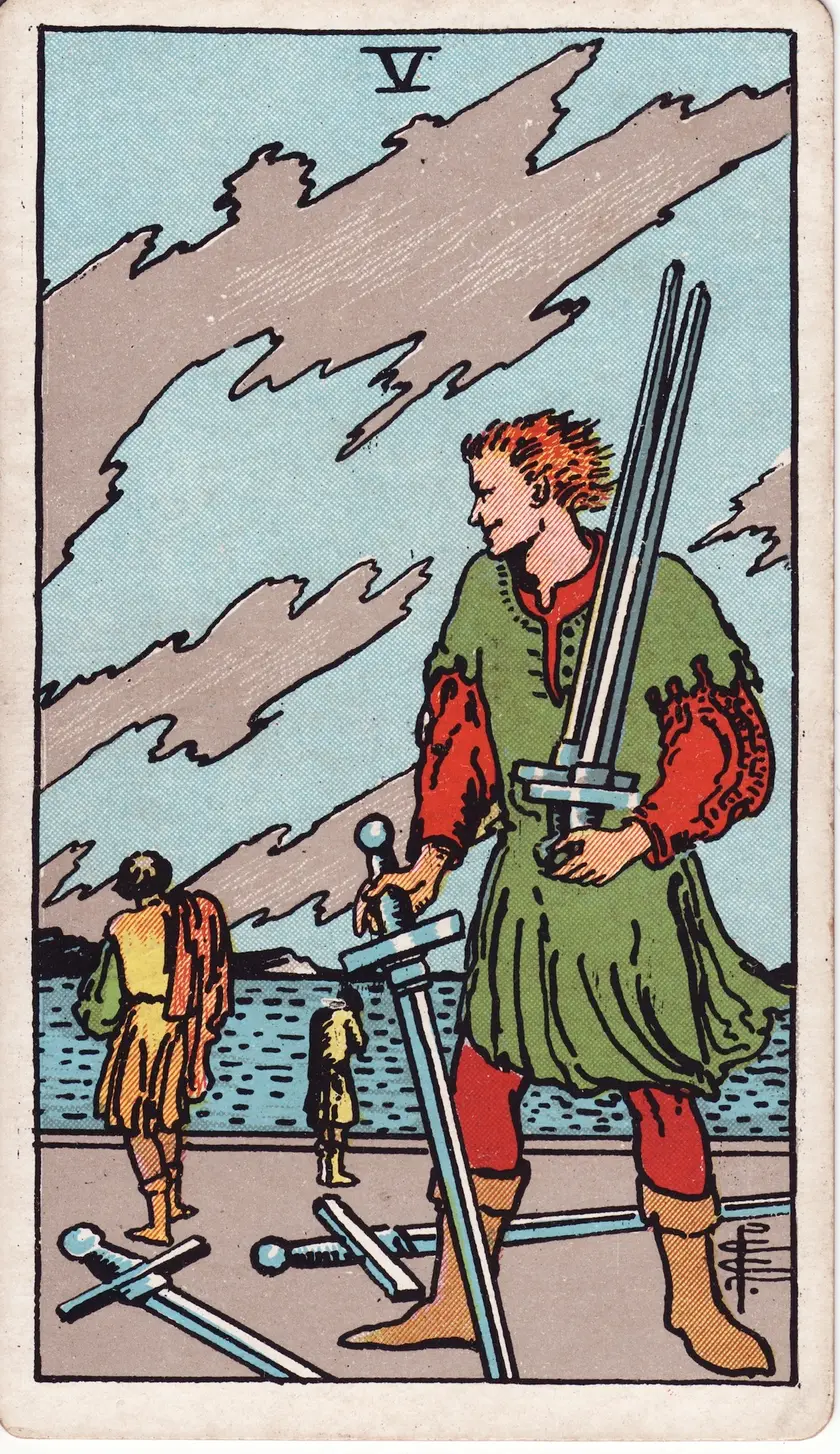
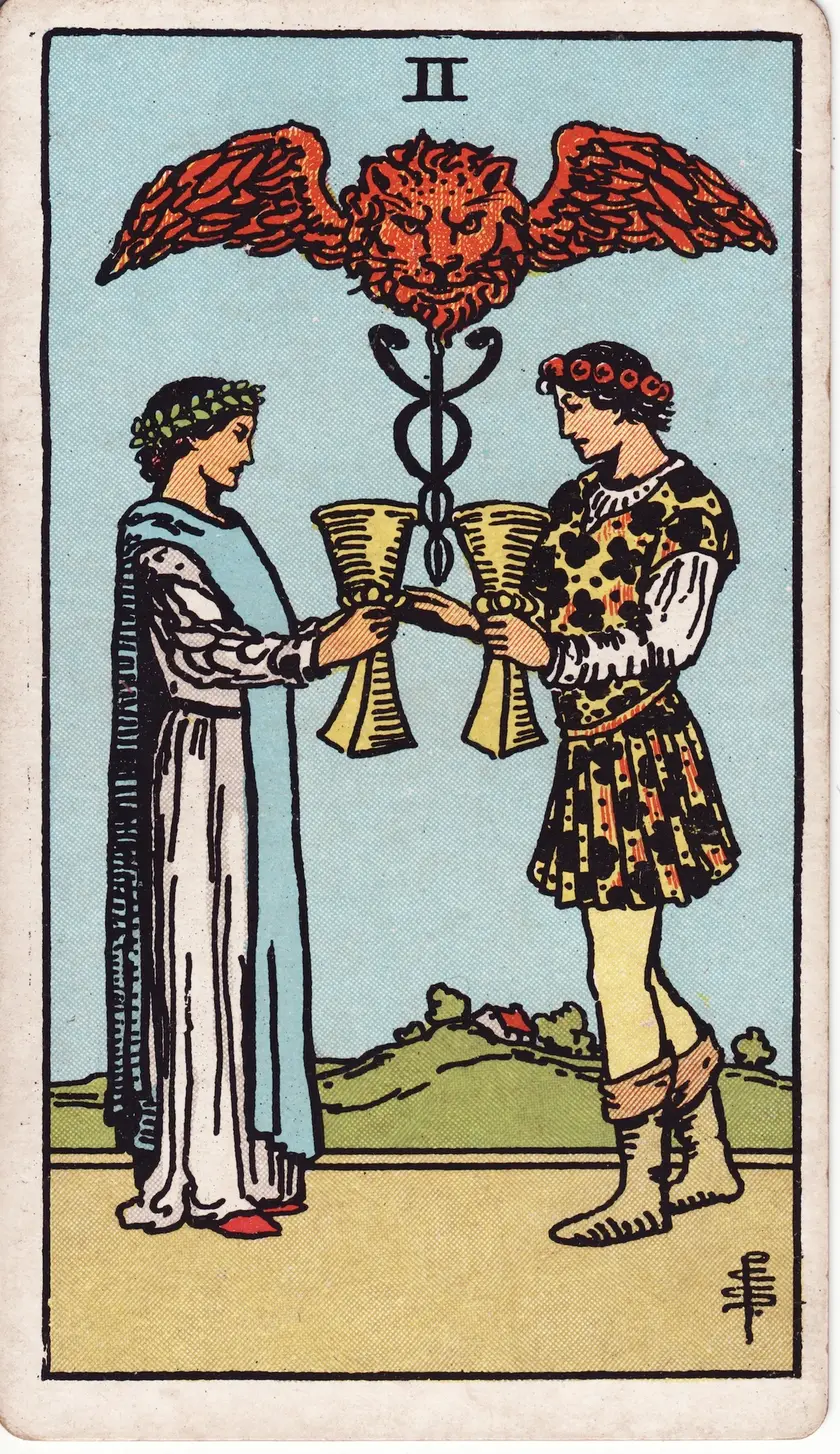
For a question about one other person. The first card is you, the second is them as you experience them (never what is inside them; the cards cannot see that), and the third is the thing between you, which is often the card people need. Two gentle cards and a Five of Swords in the middle position says the trouble is not in either person but in how you fight. Two hard cards and a Two of Cups says the bond is sound and both of you are exhausted.
Unfold does not lay this spread, but the Past, Present, Future reading of a relationship question usually finds the same shape: the Present card tends to be the relationship card.
Mind, Body, Spirit
For a check on yourself when nothing in particular is wrong, or when everything is a little wrong and you cannot say why. Mind is what you are thinking, Body is what you are doing and how you are physically, Spirit is what you care about and whether you are near it. It is the layout for a Sunday evening. It is also the layout where reversals matter most, because a reversed card in one of these three positions tends to show exactly where the stuckness lives.
Stop, Start, Continue
Borrowed from workplaces, and better than it sounds. One card for what to stop doing, one for what to begin, one for what to keep. It suits a new year, a new job, the end of something. It gives three actions instead of one, which is more than most people can take on, so read the Continue card as the kind one: it tells you what is already working.
Reading three cards as one sentence
Whatever the layout, the three cards are read together or the reading is three fortune cookies. A few habits make the difference.
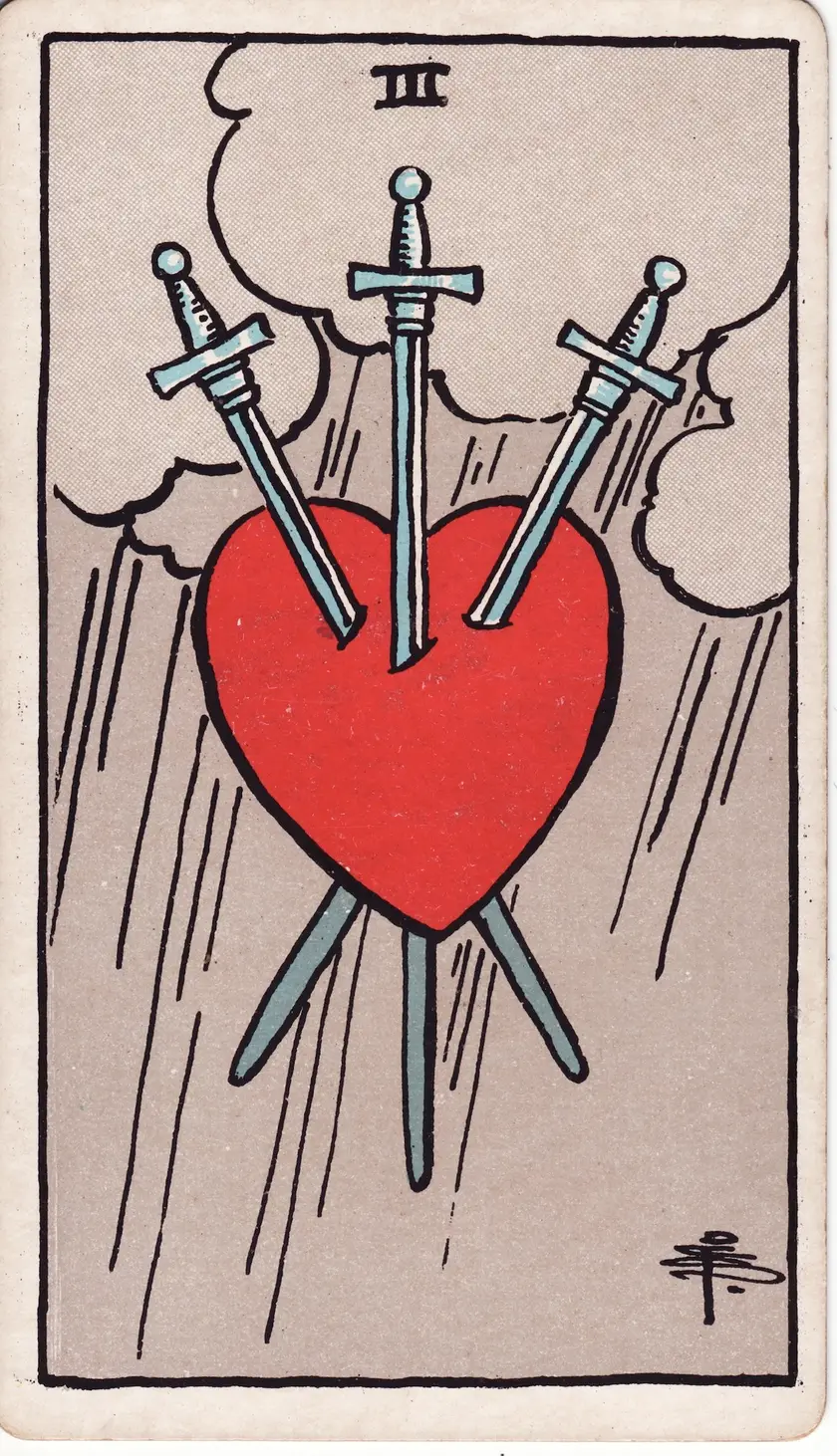
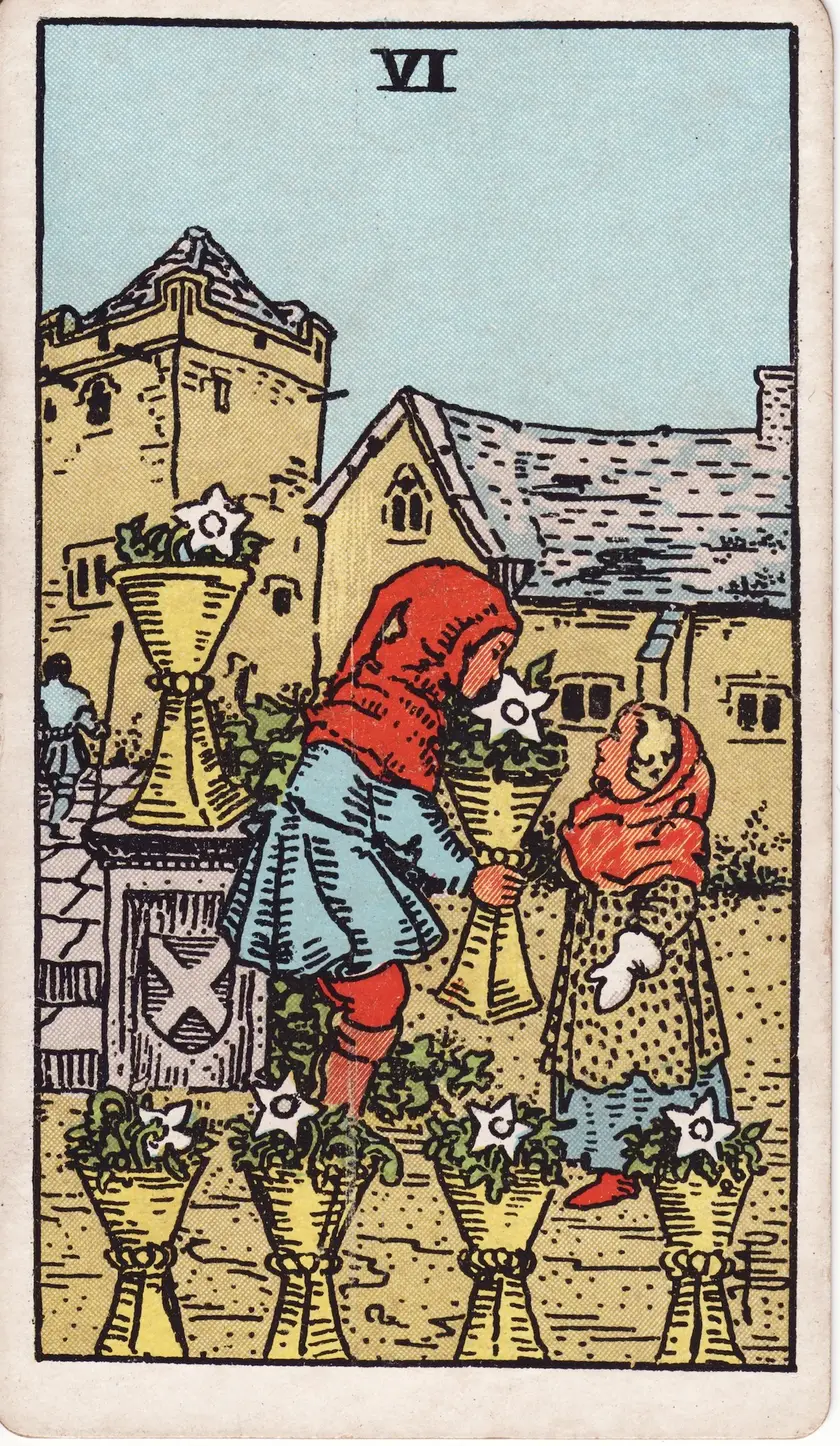
- Read the first and last card as a movement. Three of Swords to Six of Cups is grief softening into nostalgia. Eight of Swords to the Star is a trap opening onto clear sky. The middle card is how you get from one to the other.
- Look where the figures face. Many cards show a person looking left or right. A Present card whose figure looks back toward the Past is often a situation you are still arguing with.
- Count the suits. Three Cups is a story about feeling whatever the question said. A Major Arcana card among two Minors is the chapter title.
- Count the reversals. Two or more usually means the situation cannot move yet, and the reading should be about what is in the way.
The craft is the same whoever reads: each card from its picture, each card in its position, then the three against each other. That order is the Unfold Method, and it is why a reading written by the app can be checked line by line.
Laying three cards at home
Decide the layout before you shuffle and say the three positions out loud. Shuffle until it feels done, cut once, and take the top three in order. Write the positions down before you turn the cards; it is surprisingly easy to re-label a position so that a card you like fits it. Then read the picture of each card before you look anything up, and only then check the meaning.
If you would rather see it done first, a real full reading shows three cards read this way from start to finish, with the short free reading and the full one side by side.
Three cards for three kinds of question
A question about a feeling, a question about a decision and a question about another person want different things from the three positions, and it helps to know which you are asking before you draw. For a feeling ("why do I keep putting this off?") read the Present card as the feeling itself and the other two as where it came from and where it tends to go. For a decision, the Present is the choice as it actually is, which is often smaller or larger than it felt. For another person, remember the cards read you in relation to them, and the Present card is the relationship, not the person.
Knowing the kind of question also tells you which card to trust most when the three disagree. In a feeling reading it is the Present. In a decision reading it is the Future, read as where this posture leads. In a reading about another person it is the Past, because that is where the pattern between you was set.
What a three-card reading cannot do
It cannot hold a situation with four people in it. It cannot answer two questions at once; if you ask about the job and the move in one sentence, one of them gets the Present card and the other gets nothing. It cannot give a date, and it is honest to say so rather than read the Eight of Wands as "within the month". And it cannot tell you what another person feels, which is the limit every spread shares and the one people test most often.
What it can do is be read in ten minutes and checked in a week, which is more than most tools for thinking offer. Three cards, a question with you in it, and the willingness to write down what happened: that is the whole method, and the one Unfold is built on.